
PayID Casino Scams — Fraud Patterns and How to Protect Payments
 Available in AU
In 2024-25, roughly 10% of Australians — 2.3 million people — experienced some form of payment card fraud. That figure covers the broader payments landscape, but the casino sector is not immune. Chris Sheehan, who heads NAB’s fraud operations, has described a growing pattern where scammers exploit everyday digital payment tools for purposes they were never designed for, and PayID transactions to casino-style sites have become one of the vectors. The payment method itself is not the vulnerability — its push-payment architecture is structurally more secure than card-based pull payments — but the ecosystem around it creates opportunities for bad actors who know how to impersonate legitimate operators.
This guide documents the four scam patterns I have encountered most frequently in the PayID casino space, explains how to verify a site before sending a single dollar, and outlines what to do if a transaction goes wrong. The wider context is covered in our PayID casino guide.
Four Scam Patterns Targeting PayID Casino Players
Card fraud cost Australians AUD 854 million in the 2025 financial year — 71.8 cents for every $1,000 in card spending. PayID fraud numbers are significantly lower because the push-payment design means you initiate the transfer rather than sharing credentials that can be reused. But the scams that do target PayID casino players exploit trust and impersonation rather than technical vulnerabilities.

The first pattern is the fake casino site. A scammer registers a domain that closely resembles a known operator — a single letter changed, a hyphen added, a different top-level domain. The site looks identical to the legitimate version, complete with copied branding and game thumbnails. The PayID provided for deposits routes to the scammer’s bank account. You send money, the balance never appears, and the site either shows an error message or goes offline entirely. I have encountered at least three of these in the past eighteen months, each one active for only a few weeks before the domain was abandoned.
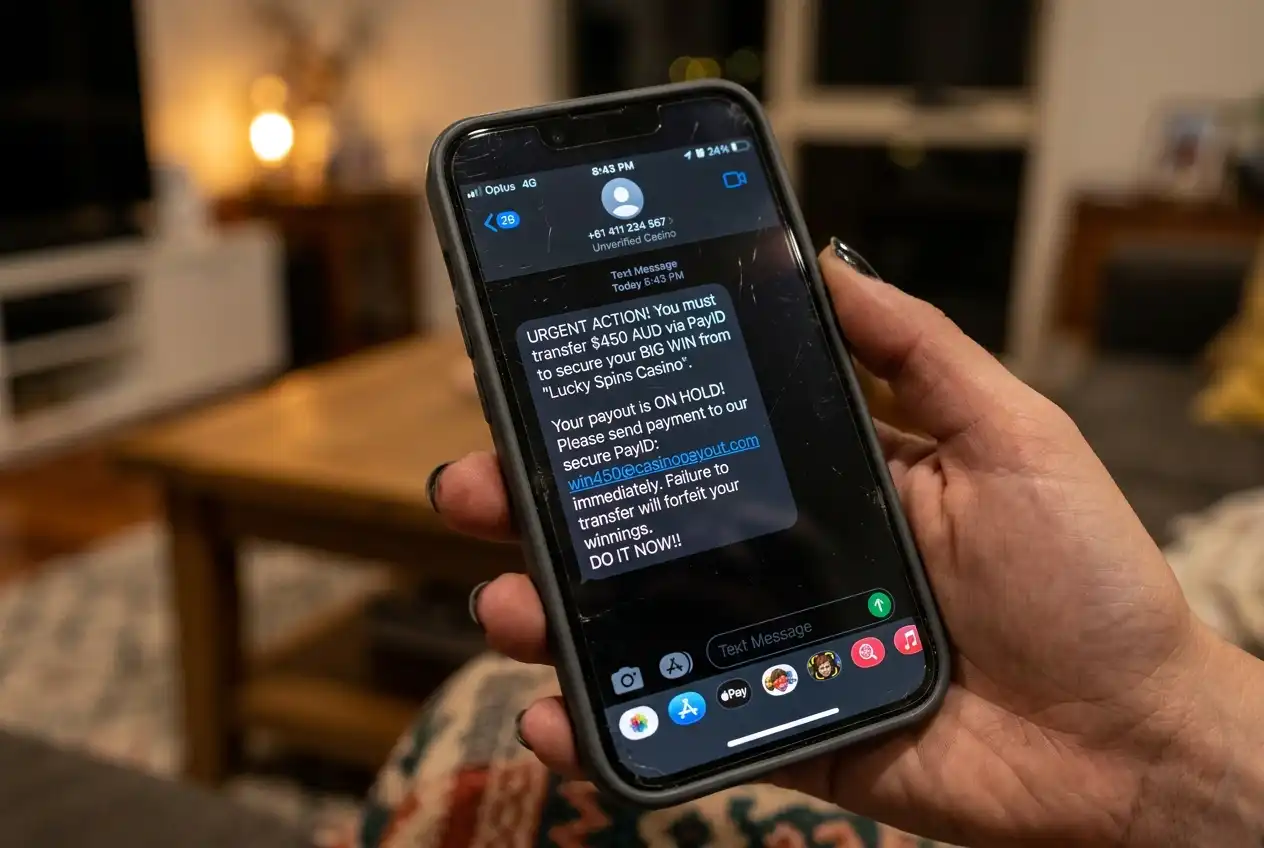
The second pattern is the bonus recovery scam. After losing money at a legitimate casino, a player receives an unsolicited email or social media message claiming to represent the casino’s “bonus recovery team” or “player retention department.” The message offers to refund losses or unlock a special bonus if the player makes a new PayID deposit to a different account — which, of course, is controlled by the scammer. Legitimate casinos do not reach out via social media DMs to offer loss recovery.
The third pattern is the deposit middleman. A site claims to offer PayID deposits but does not process them directly. Instead, you are asked to send your PayID transfer to a third party — described as a “payment processor” or “deposit agent” — who then credits your casino account manually. This intermediary structure is a red flag. Legitimate PayID integration connects the casino directly to the NPP through its banking partner. A middleman introduces a point of failure and a point of theft.
The fourth pattern is the withdrawal fee scam. You play at a site, win, and request a PayID withdrawal. The site responds that a “processing fee” or “verification deposit” is required before the withdrawal can be released. The fee is to be paid via a separate PayID transfer to a different account. This is a classic advance-fee scheme dressed in casino clothing. No legitimate operator charges a separate PayID transfer as a condition for releasing a withdrawal.
How to Verify a PayID Casino Before Depositing
ACMA’s enforcement record — 1,708 blocked sites and over 230 operators that have voluntarily left the Australian market since 2017 — demonstrates that the regulatory environment is active. But enforcement is reactive, which means a scam site can operate for weeks or months before it is blocked. Your own verification process is the first line of defence.

Start with the domain. Check the registration date using a WHOIS lookup — a casino domain registered last month should raise questions. Established operators have domain histories stretching back years. Then check whether the site appears on ACMA’s list of blocked sites; while the list is not published in its entirety, ACMA publishes enforcement outcomes that name specific domains.

Look for licensing details. A legitimate operator displays its licence number and the issuing jurisdiction in the site footer or on a dedicated licensing page. If the licence number is present, verify it against the issuing regulator’s public register. If the site claims to be licensed but the regulator’s register does not list it, that is a definitive red flag.
Check the PayID recipient before confirming your transfer. When you initiate a PayID payment in your banking app, the app displays the registered name of the recipient before you confirm. If the name does not match the casino operator’s registered business name — or if it shows an individual’s name rather than a business name — cancel the transfer. Scam sites often use personal PayID accounts because setting up a business account with proper NPP registration requires documentation they cannot provide. The protective architecture is in PayID casino security.
Test customer support. Send a live chat message or email asking a specific question about the site’s licensing and payment processing. A legitimate operator’s support team can answer these questions. A scam site’s support — if it exists at all — will give vague or scripted responses that do not address the question.
What to Do if a PayID Casino Payment Goes Wrong
PayID transfers settle in real time, which means once the money leaves your account, reversing it is not straightforward. But “not straightforward” is not the same as “impossible.” The recovery process depends on speed and documentation.
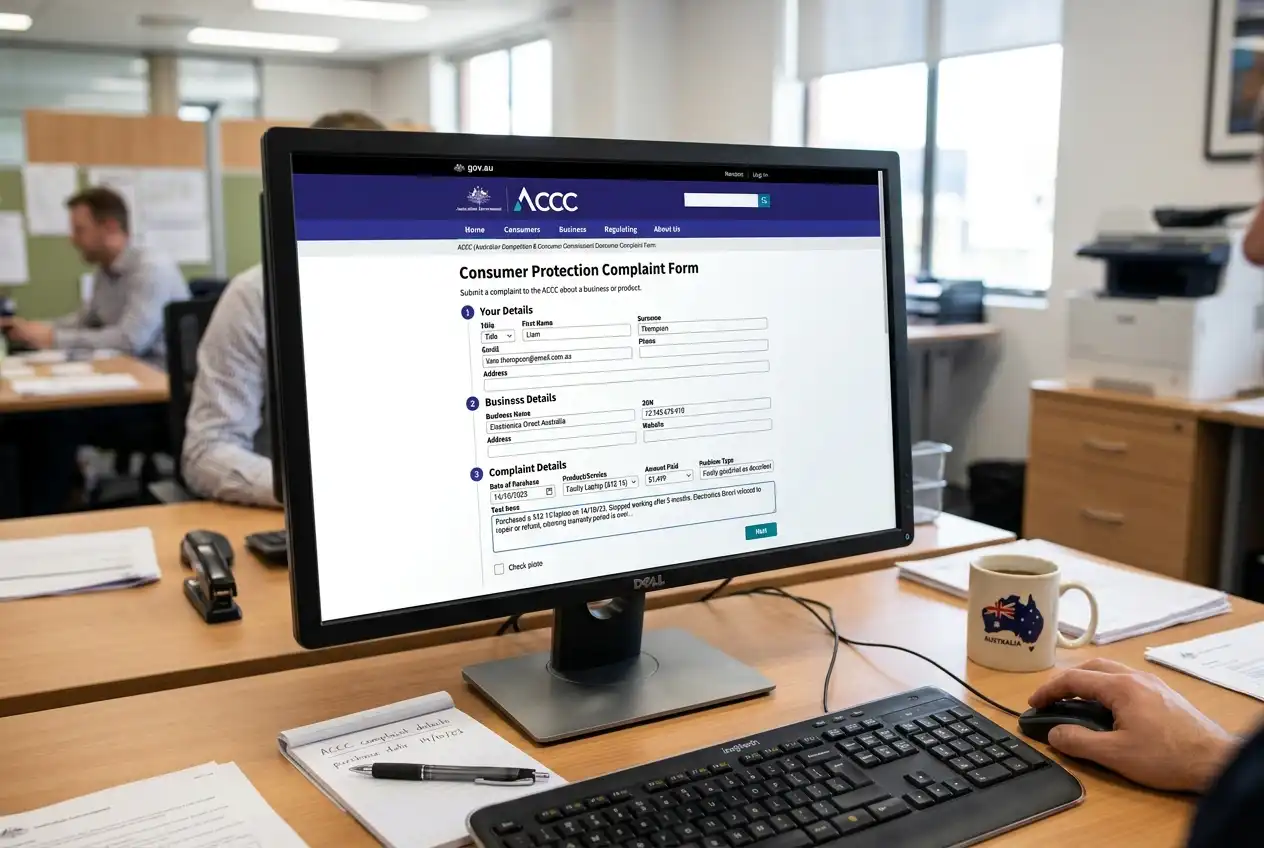
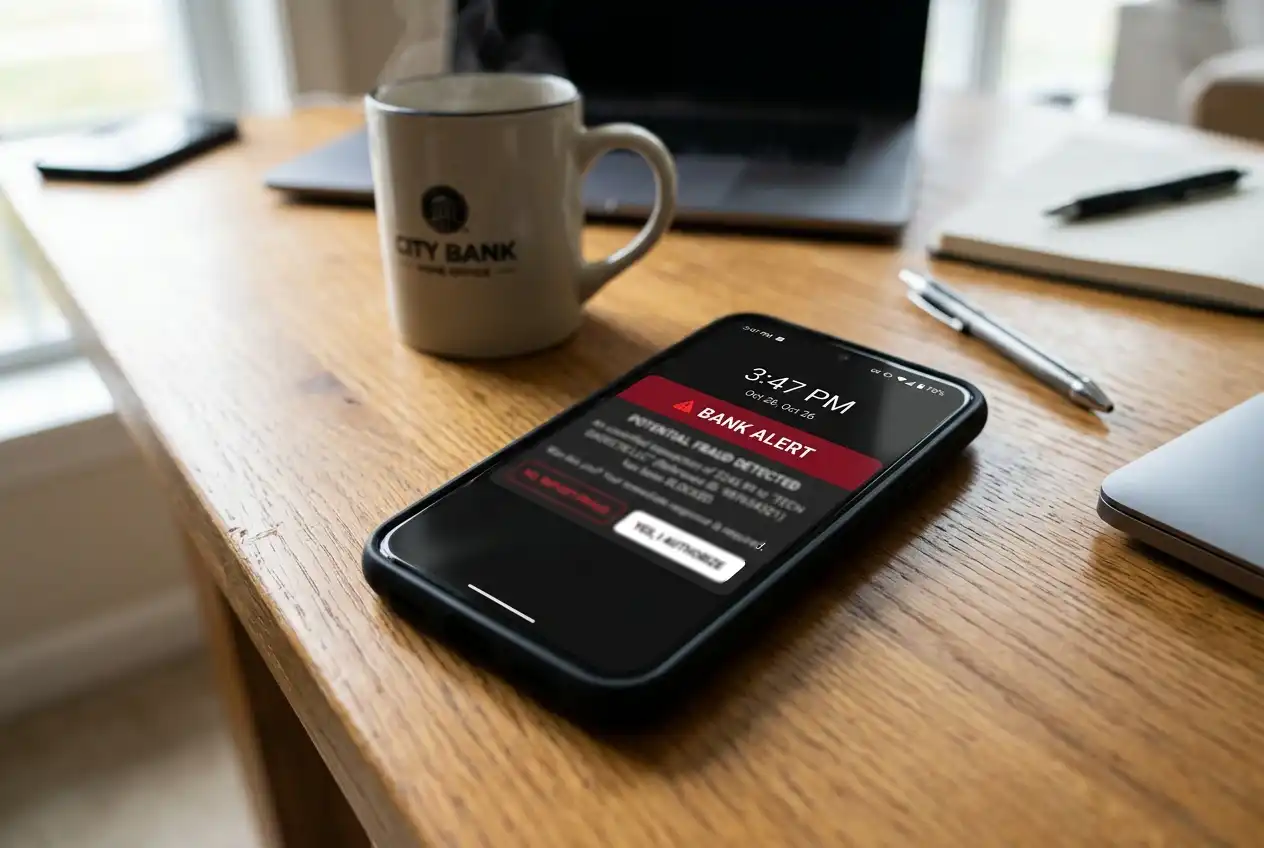
Contact your bank immediately. Within the first hour, your bank can initiate a “recall request” through the NPP — a formal request to the receiving bank to return the funds. The receiving bank is not obligated to comply, and if the scammer has already moved the money, the request will fail. But in cases where the receiving account is still active, recalls do succeed, particularly if the receiving bank’s fraud team recognises the pattern.
File a report with the Australian Cyber Security Centre through ReportCyber. This creates a record that feeds into law enforcement intelligence and can support a bank dispute. Also report the site to ACMA if you believe it is operating illegally — ACMA uses complaints to prioritise enforcement actions.
Document everything: screenshots of the site, the PayID transaction receipt from your banking app, any communications with the site’s support team, and the timeline of events. This documentation supports both the bank recall process and any subsequent formal complaint.
For ongoing protection, I recommend reviewing the patterns above before every new deposit at an unfamiliar site. The few minutes spent checking the domain, verifying the licence, and confirming the PayID recipient name are far cheaper than the recovery process after a fraudulent no-verification casino has taken your funds.
Created by the "PayEdge" editorial team.