
PayID Casino Live Dealer Games -- Banking Speed Meets Real-Time Play
 Available in AU
When Your Balance Runs Out Mid-Hand
Picture this: you are sitting at a live blackjack table, the dealer is showing a six, and you have doubled down. The hand resolves — you win. Three hands later, your balance is short for the next minimum bet. With a card deposit, topping up means a three-to-five-minute wait while the authorisation processes, during which the table continues without you. With a traditional bank transfer, you might as well go make dinner. This is where PayID changes the live dealer experience in a way that matters beyond marketing copy. The wider context is covered in our PayID casino guide.

Live dealer games operate on a fundamentally different rhythm than standard online slots or table games. There is a real person dealing cards or spinning a wheel in real time. The table does not pause while your deposit processes. Every second you spend waiting for funds to clear is a hand you are sitting out, and in a game with seat limits, that seat might not be there when you get back. PayID deposits settle through Australia’s NPP in under sixty seconds — fast enough that topping up between hands becomes a realistic option rather than a disruptive interruption.
How Live Dealer Lobbies Handle PayID Deposits
Not every site handles this equally well. The better live casino platforms allow you to initiate a deposit without leaving the live table view. A side panel or overlay appears, you enter the amount, the site generates a PayID reference, and you complete the transfer through your banking app. The balance updates in real time, and you are back in action within a minute. I have tested this flow during peak evening hours — 7pm to 11pm AEST, when table traffic is highest — and the settlement time remained consistent at 15 to 45 seconds.
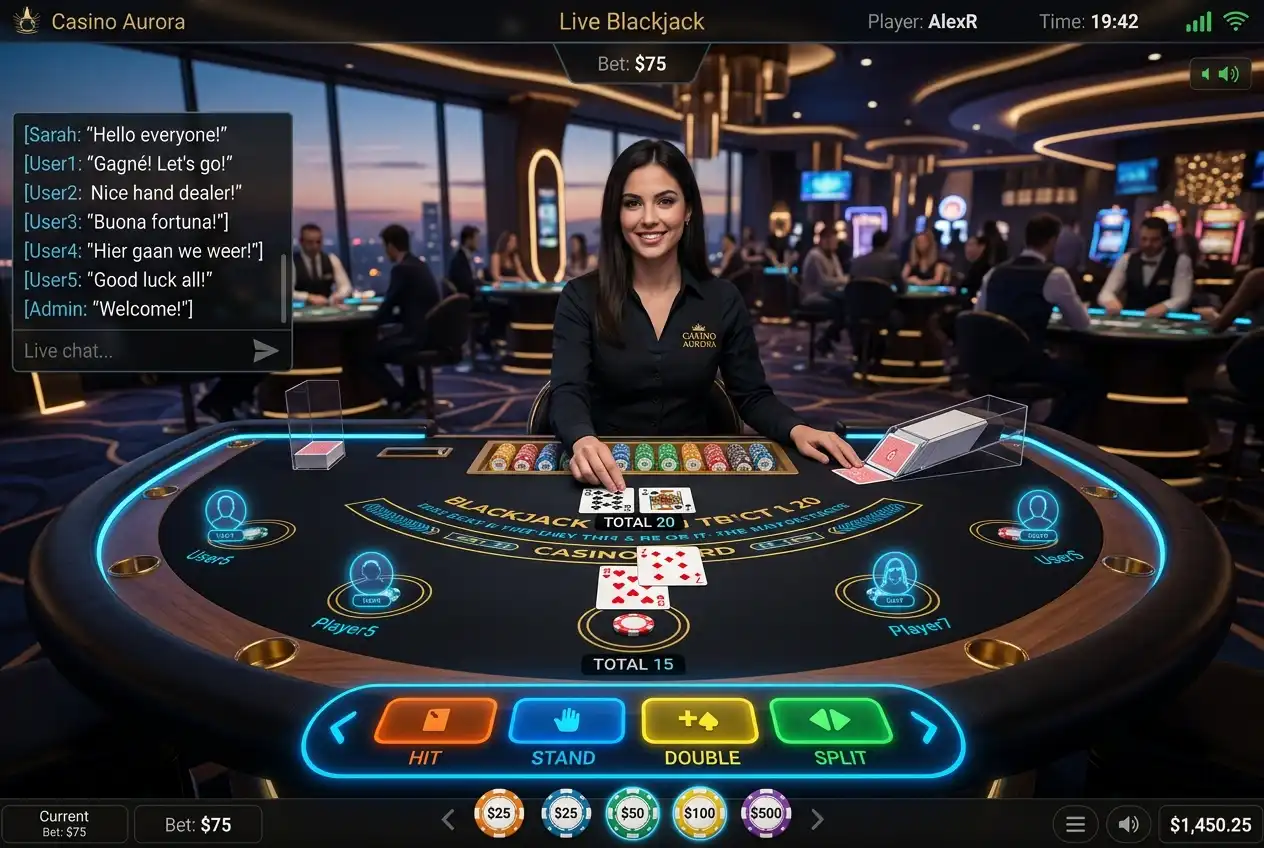
The less sophisticated approach forces you to exit the live table entirely, navigate to a separate cashier page, process the deposit, and then rejoin the table lobby. On a busy evening, your seat at a popular table may be reassigned during that process. Evolution Gaming and Pragmatic Play Live — two of the largest live dealer providers — both support in-session balance refreshes, but whether that feature functions properly depends on how the casino operator has integrated the provider’s software with their own payment backend.
The Australian online casino segment generated USD 462.7 million in 2024, and live dealer games represent a growing share of that revenue. Operators who invest in seamless deposit-to-table flows capture a disproportionate share of live dealer spending, because the experience gap is immediately obvious to any player who has used both a smooth and a clunky system. The same funding logic covers table games.
Game Selection and Minimum Stakes for PayID Players
A common misconception is that live dealer games are exclusively high-roller territory. Five years ago, that was closer to reality — minimum bets of AUD 25 to AUD 50 were standard. The market has shifted. Most live lobbies now offer tables starting at AUD 1 to AUD 5 for blackjack and roulette, with game show formats like Lightning Roulette and Dream Catcher offering even lower entry points.

PayID deposits have no practical minimum in most banking apps — you can transfer AUD 1 if that is what you need. The constraint comes from the casino’s minimum deposit policy, which typically sits at AUD 10 to AUD 20 for PayID. That means a single minimum deposit can fund dozens of hands at a low-stakes live table, making the format accessible to players who are not looking to risk hundreds per session.
Where PayID adds particular value is in the mid-stakes range — AUD 10 to AUD 100 per hand. At this level, players top up more frequently than high rollers (who load large balances upfront) but deposit more per session than casual players. The instant settlement eliminates the friction of repeated small top-ups, which is exactly the use pattern that traditional banking methods handle worst.
Latency, Connectivity, and the Deposit Timing Window
Live dealer streams run on a tight synchronisation between video feed, bet interface, and server-side game logic. Adding a payment process to that chain introduces a variable that the game was not designed to accommodate. I have seen deposits credited to a player’s balance after a betting round has opened but before the confirmation appeared on screen — creating confusion about whether the new funds were available for the current hand.
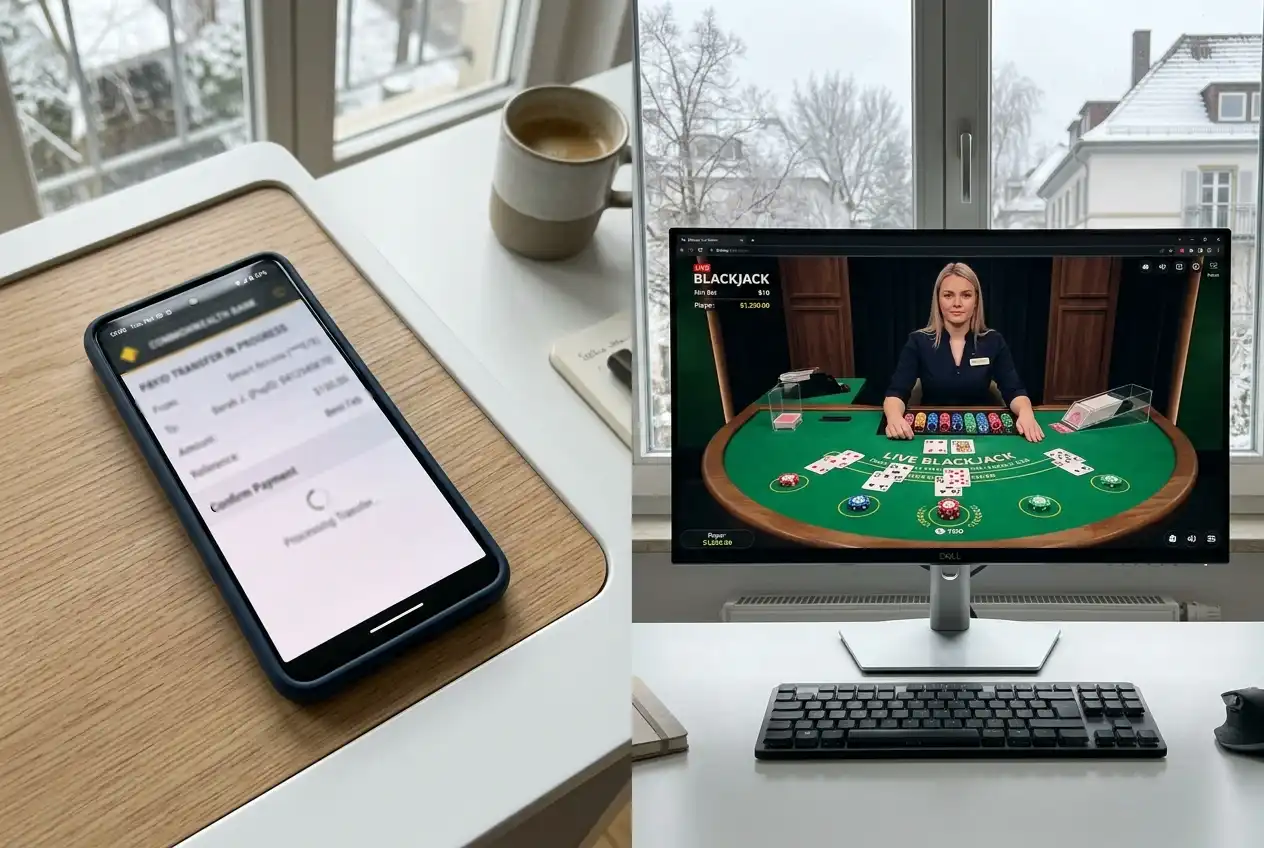
The practical advice: do not initiate a deposit with the intention of using those funds on the very next hand. Start the deposit, wait for your banking app to confirm the transfer, wait for the casino balance to update, and then resume betting. That buffer — usually one to two betting rounds — accounts for the variability in NPP settlement and the casino’s internal crediting process. Trying to cut it closer invites the exact kind of timing uncertainty that makes a live session feel unreliable.
Chris Sheehan, NAB’s head of group investigations, has spoken about how real-time payment systems create new patterns in transaction monitoring. The speed that benefits legitimate players also means that fraud detection systems must work faster. For the player, this occasionally manifests as a brief hold on larger deposits while the bank’s automated screening completes — typically adding 30 to 90 seconds to what would otherwise be an instant transfer.
Choosing a Live Dealer Site That Handles PayID Properly
The test I apply is simple. Before committing to a live dealer site, I make a small PayID deposit — AUD 20 is enough — and time the process from payment confirmation in my banking app to the balance appearing in the casino. If it takes under two minutes and I can remain in the live lobby during the process, the integration is solid. If it takes longer, or if I am forced through a multi-page cashier flow that disconnects me from the table, the site is not ready for serious live play.

The live dealer segment is growing faster than the broader online casino market, and the operators who recognise that payment experience is part of the gaming experience — not a separate, tolerated inconvenience — are the ones building the most engaged player bases. Payment speed is not a feature to list on a landing page. It is the infrastructure that determines whether a live session feels fluid or fractured.
Written by the editors at PayEdge.