
Which Australian Banks Support PayID for Casino Deposits and Withdrawals?
 Available in AU
When I first started testing PayID deposits at online casinos, I assumed every Australian bank that offered PayID would process a transfer to a casino without issue. That assumption lasted about three days. My second test deposit — sent from a smaller regional bank — sat in a pending state for six hours before being returned with a vague “transaction declined” notification. The bank’s fraud detection system had flagged it. No explanation, no option to override, just a returned payment and a lesson learned.
Australia now has more than 25 million registered PayID accounts and 128 million accounts connected to the NPP for sending and receiving payments. But “connected to the NPP” and “willing to process a casino transaction” are different things entirely. Lynn Kraus, the CEO of Australian Payments Plus, has described real-time payments as “part of everyday life in Australia, with one in three payments now processed via the NPP.” That is true for everyday purchases — but casino transactions occupy a more complicated space in the banking ecosystem. This guide maps out exactly which banks work, which banks create friction, and which ones will block your transfer outright. The full picture is in our PayID casino guide.
CBA, Westpac, NAB, ANZ — PayID Casino Compatibility
I tested all four major banks with identical deposit amounts to the same casino in March 2026. The results were consistent enough to draw firm conclusions.

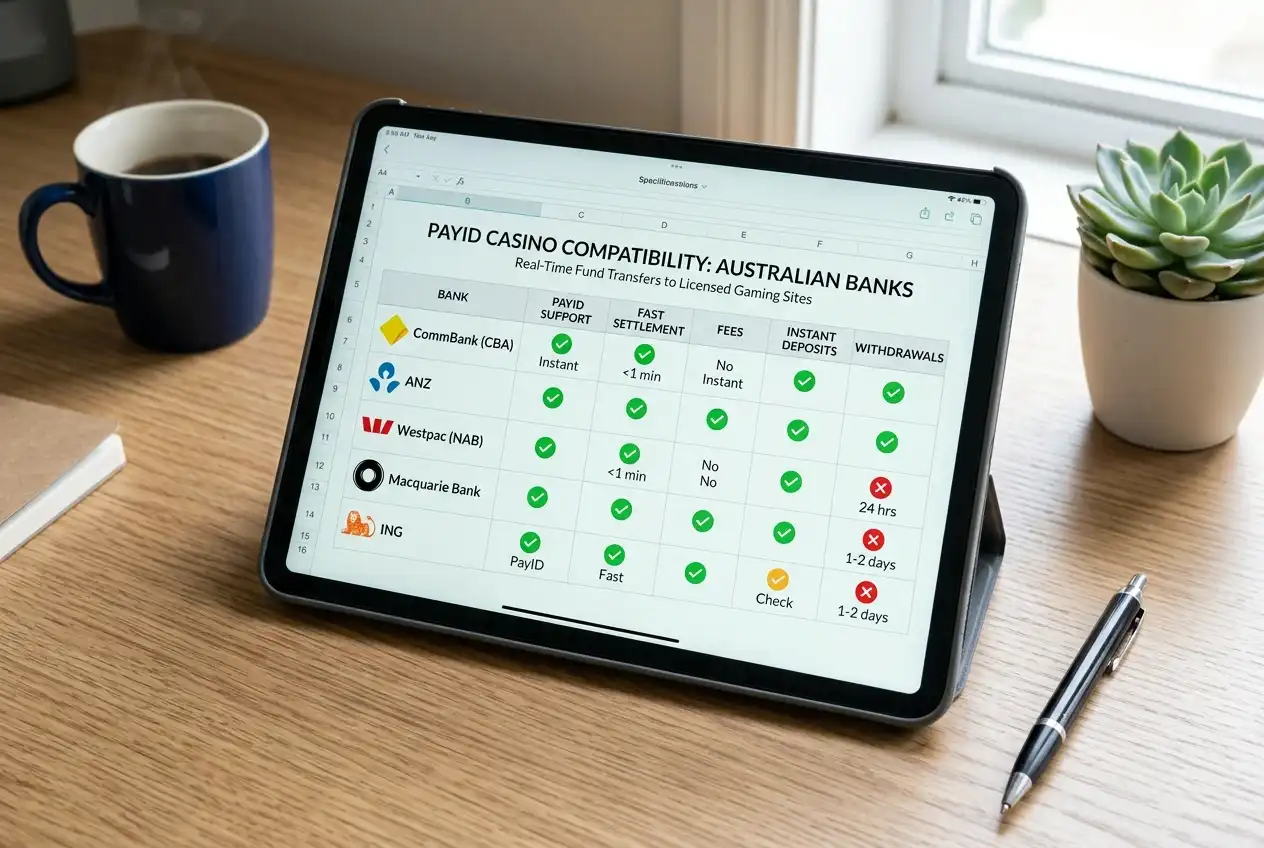
Commonwealth Bank processes PayID casino deposits without intervention in most cases. The transfer settles through the NPP in real time, and the casino balance updates within sixty seconds. CBA’s app does show a confirmation screen that includes the recipient’s registered PayID name, which gives you a verification step before committing. I have not encountered a CBA block on outbound PayID transfers to casino operators, though the bank reserves the right to flag transactions through its fraud monitoring system.
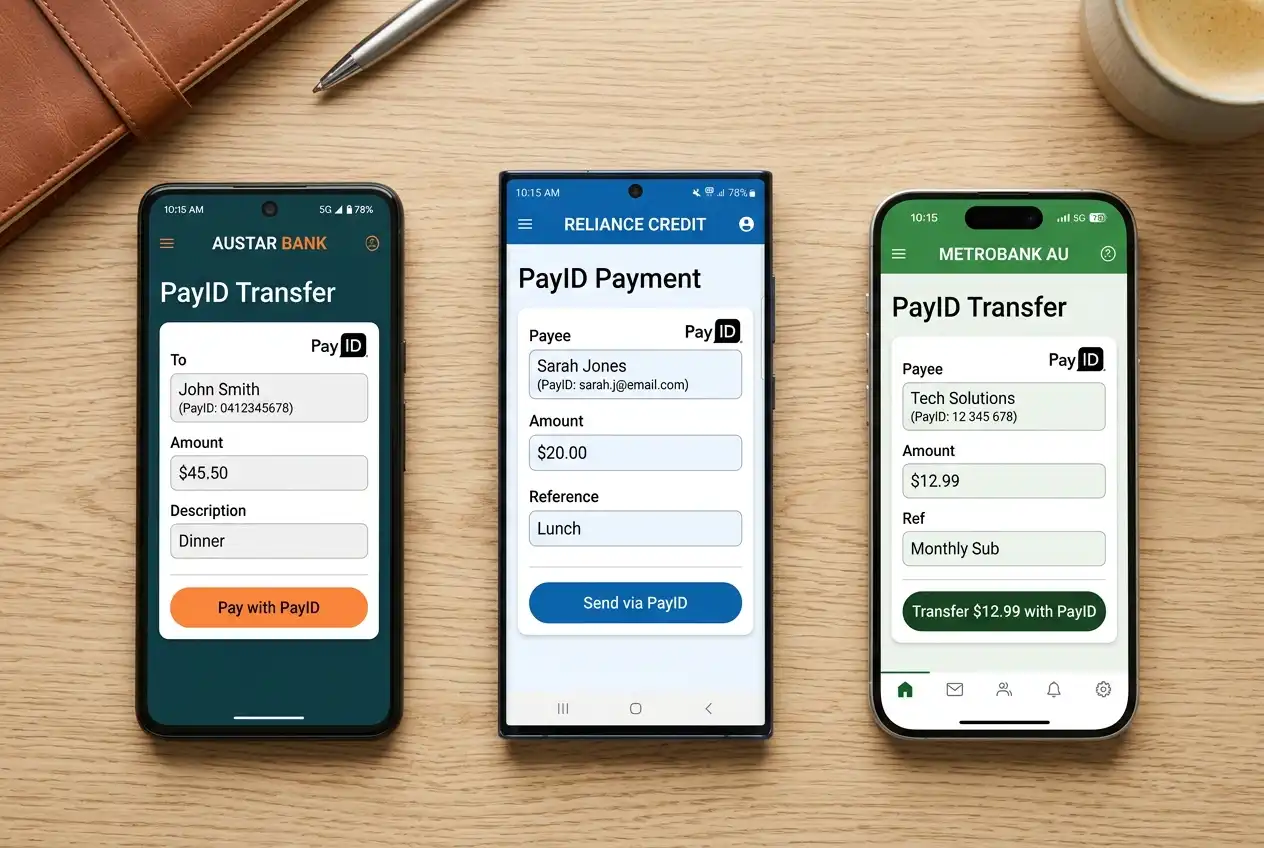
Westpac handles PayID casino deposits similarly, with one notable difference: the bank’s app occasionally displays a warning screen for transfers above AUD 1,000 to a new recipient. The warning asks you to confirm the purpose of the payment. It is not a block — just an extra tap — but it can be jarring if you are not expecting it. Once confirmed, the transfer settles in real time.
NAB processes PayID transfers to casino operators without additional friction at the standard tier. The bank’s app interface for PayID is straightforward, and I have consistently seen settlement times under ninety seconds. NAB’s daily default PayID limit is lower than CBA’s for new accounts, so if you are making a larger deposit, check your outbound limit in the app settings first.
ANZ completes PayID casino deposits through the NPP rail without issues in my testing. The bank’s app provides a clear transaction receipt with the recipient’s PayID identifier, timestamp, and amount. ANZ has been one of the more transparent banks about its NPP integration, and that transparency extends to the casino deposit experience.
Digital Banks and Neobanks — Up Bank, ING, Macquarie, Bendigo
The digital banking sector is where PayID compatibility gets more interesting — and occasionally more frustrating.
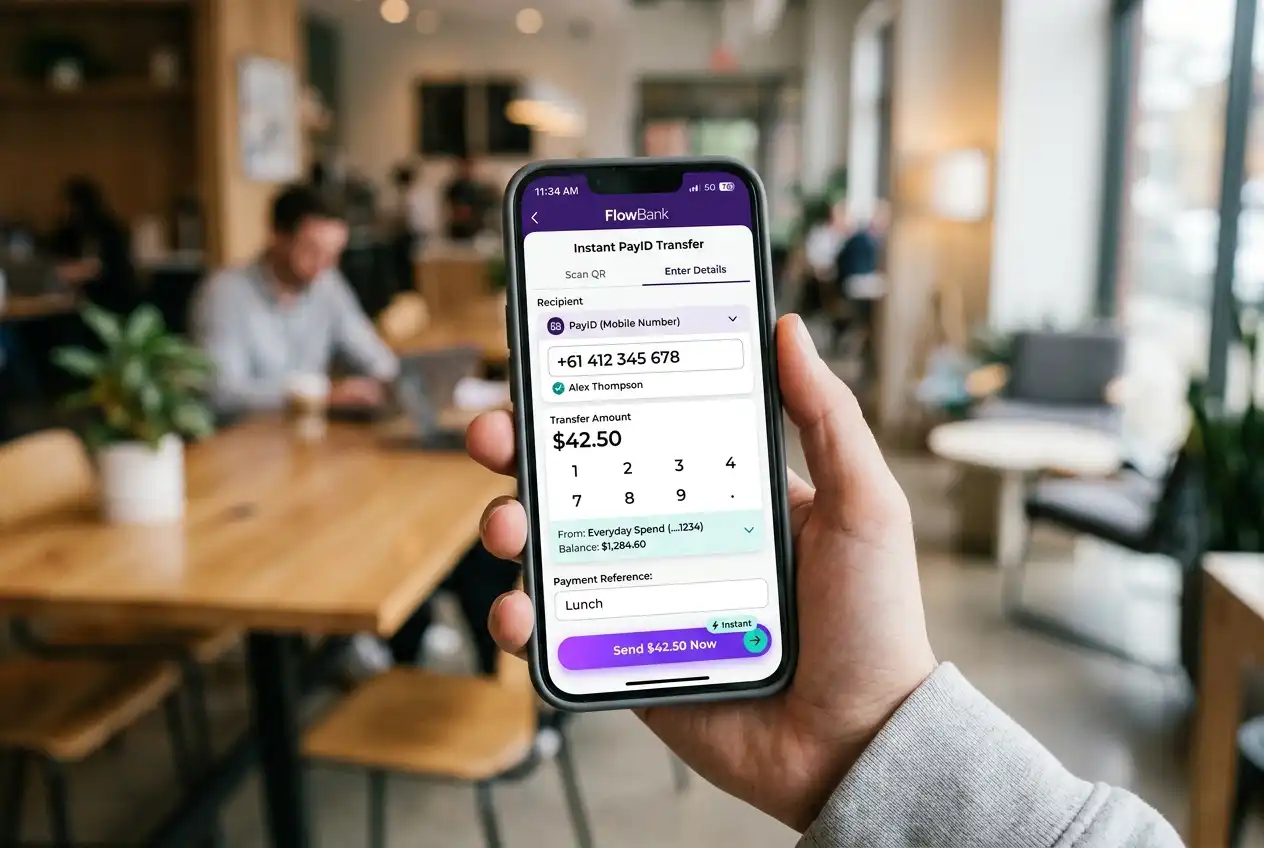
Up Bank, which runs on the Bendigo and Adelaide Bank infrastructure, supports PayID transfers that settle through the NPP in real time. I have used Up for casino test deposits and the experience is clean: the app’s interface handles PayID natively, and the settlement speed matches or beats the big four. Up’s appeal for casino players is its real-time transaction notifications, which confirm the deposit has left your account before the casino has even acknowledged receipt.
ING Australia supports PayID and processes casino transfers without additional blocks in my experience. The bank does not charge fees for PayID transfers, and the daily limit is generous enough for most deposit sizes. One quirk: ING’s app sometimes takes a few seconds longer to generate the PayID confirmation screen compared to CBA or Westpac, but the actual settlement speed is identical once the transfer is initiated. Each bank sets its own deposit limits.
Macquarie Bank has full NPP connectivity and supports PayID for outbound transfers. I have not encountered casino-specific blocks, though Macquarie’s fraud detection is reportedly more aggressive than some competitors for high-value first-time transfers. If your first PayID casino deposit from a Macquarie account is above AUD 500, be prepared for a potential verification call.
Bendigo Bank, the parent infrastructure behind several digital brands, supports PayID through the NPP. Processing is reliable but the app experience is less polished than the neobank offerings. For casino deposits, it works — the transfer settles in real time — but the interface does not provide the same level of transaction detail that Up or CBA offer.
Credit Unions and Smaller Institutions on NPP
This is the segment where compatibility becomes genuinely unpredictable. Over 114 million accounts were connected to NPP sending and receiving by the end of 2024, and that includes accounts held at dozens of credit unions and mutual banks. But NPP connectivity at the infrastructure level does not guarantee a smooth PayID casino deposit at the user level.

Some credit unions route their NPP transactions through a shared payment gateway rather than maintaining a direct NPP connection. This can introduce delays — I have seen credit union PayID transfers take up to fifteen minutes to settle, compared to under sixty seconds from a big-four bank. The delay is not a block; it is a processing queue at the gateway level.
More problematic are the credit unions that apply blanket gambling transaction restrictions. A few institutions in the mutual banking sector have implemented policies that flag or decline outbound transfers to known gambling-related PayID recipients. These restrictions are not published prominently — you typically discover them when a transfer fails and you call customer support to find out why.
If you bank with a credit union and want to use PayID for casino transactions, my recommendation is to test with the smallest deposit the casino accepts before committing to larger amounts. That test costs you almost nothing and tells you definitively whether your institution will process the transfer.
Banks That Restrict Casino Transactions — What to Know
No major Australian bank has implemented a blanket ban on PayID transfers to casino operators — that would be a commercial decision with significant customer backlash. But several institutions apply friction that falls short of a ban while still affecting the experience.

The most common restriction is a daily transfer limit that is lower than the bank’s standard PayID cap for new payees. Some banks reduce the default outbound limit for the first PayID transfer to a new recipient, regardless of whether that recipient is a casino. The limit resets or increases after the first successful transfer, but it can catch you off guard if you are trying to make a deposit that exceeds the new-payee threshold.
Fraud detection algorithms are the other source of friction. Australian banks use transaction monitoring systems that flag unusual patterns, and a first-time PayID transfer of AUD 500 or more to a previously unknown recipient can trigger a temporary hold. The hold is usually resolved within minutes — sometimes with a push notification asking you to confirm the transaction — but it breaks the “instant deposit” promise that PayID casino sites advertise.
There is also the question of inbound restrictions on withdrawals. When a casino sends your winnings back via PayID, the receiving bank’s system needs to match the incoming payment to your account. In rare cases, I have seen inbound PayID transfers from casino operators delayed by the receiving bank’s own fraud monitoring. The funds arrive eventually, but the delay can range from thirty minutes to several hours if the bank’s system flags the source.
The practical takeaway: the big four banks and the major digital banks process PayID casino transactions reliably. Credit unions and smaller mutuals are a mixed bag. If your current bank creates friction, the simplest solution is a secondary account at a neobank like Up — it takes ten minutes to set up, connects to the NPP immediately, and gives you a clean PayID channel for casino transactions without disrupting your primary banking relationship.
Created by the "PayEdge" editorial team.