
PayID Casino Deposit Limits — Daily, Weekly and Per-Transaction Caps
 Available in AU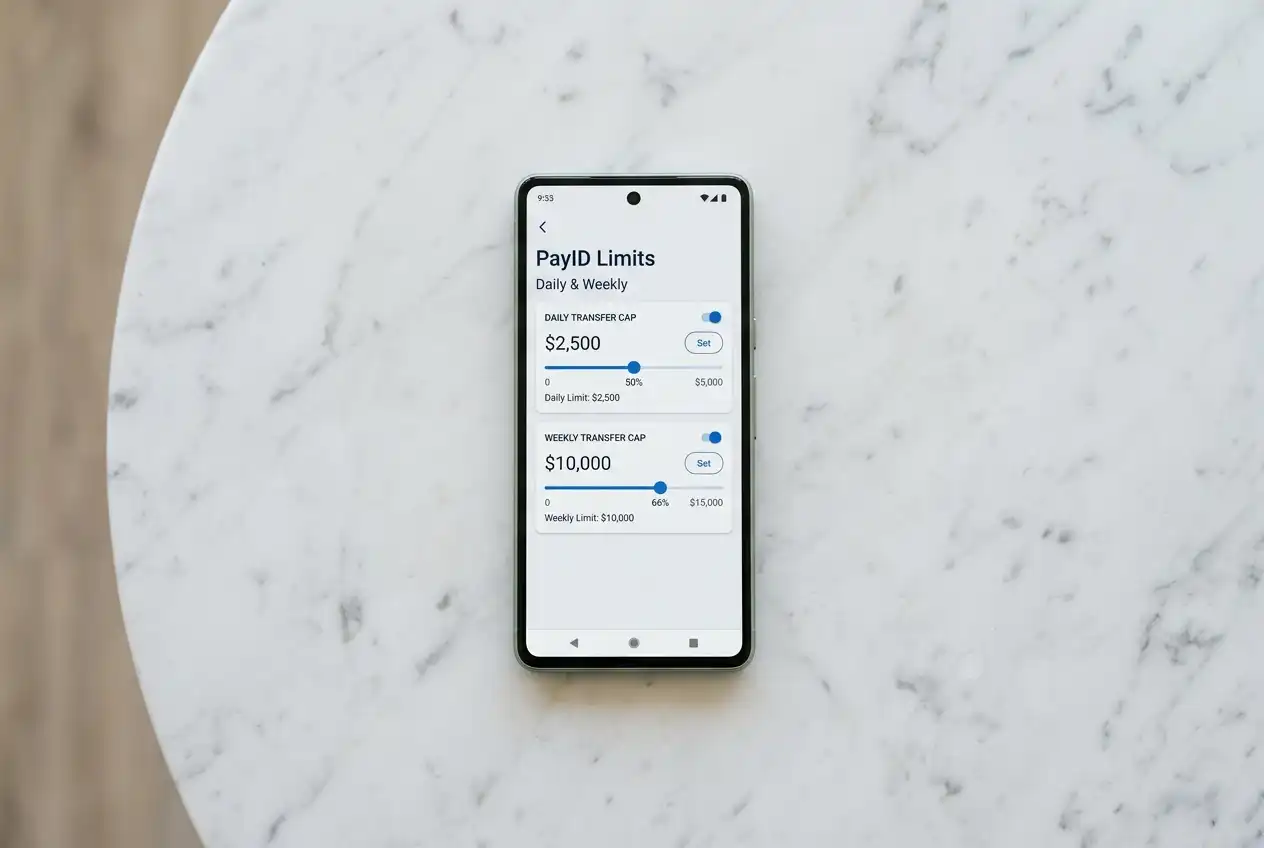
The Three Layers of Deposit Limits Nobody Explains Clearly
I spent a frustrating afternoon last month trying to deposit AUD 3,000 at a casino site that advertised “unlimited PayID deposits.” The transfer failed. Not because of the casino — because my bank’s mobile app caps outgoing payments at AUD 2,000 per transaction. The casino’s marketing was technically accurate: they imposed no cap on their end. But the bank did, and nobody mentioned that part. This is the reality of PayID deposit limits — three separate systems each impose their own ceiling, and the lowest one wins. The wider context is covered in our PayID casino guide.

Layer one is your bank. Every Australian financial institution sets daily and per-transaction outgoing transfer limits for PayID and NPP payments. These vary dramatically — from AUD 1,000 at some digital banks to AUD 50,000 or more at the major four. Layer two is the casino operator, which sets its own minimum and maximum deposit thresholds, often different for each payment method. Layer three is the NPP itself, which has a per-transaction ceiling of AUD 100,000 for most participants — a limit that is theoretical for retail customers but relevant for high-value business accounts.
Bank-Side Limits Across Major Australian Institutions
The range is wider than you would expect. Commonwealth Bank sets a default daily PayID limit of AUD 10,000, adjustable up to AUD 50,000 through their app. Westpac defaults to AUD 5,000 per transaction with a AUD 20,000 daily cap. ANZ and NAB sit somewhere in between, with default limits typically around AUD 10,000 daily. The newer digital banks — Up, ING, Macquarie — tend to start with lower defaults but offer straightforward limit increases through their apps. Which bank you use matters: banks that support PayID.

What catches people off guard is that these limits sometimes differ between mobile and desktop banking. The same account might allow AUD 10,000 via internet banking on a computer but only AUD 2,000 through the mobile app. This is a security design choice, not a bug — banks assume that mobile transactions carry higher fraud risk and set lower defaults accordingly. If you primarily deposit from your phone, check the mobile-specific limit, not just the general daily cap.
The NPP has driven account-to-account transfer volumes to over 35% of all such transactions in Australia, with 128 million connected accounts and growing. As adoption increases, banks are gradually raising default limits to match customer expectations. But “gradually” means quarterly reviews, not real-time adjustments — your limit today is the one that was set at the last review cycle.
One detail that generates consistent confusion: temporary limit increases. Most banks allow you to request a one-time elevated limit for a specific transaction, which resets to your default the following day. This is useful if you need to make a single large PayID deposit without permanently raising your daily cap. Commonwealth Bank processes these through their app instantly; others require a phone call. The temporary increase typically expires at midnight AEST, regardless of when you requested it — so timing your large deposit earlier in the day gives you a buffer if the first attempt fails and you need to retry.
Casino-Side Deposit Thresholds and How They Vary
Operator-imposed limits follow a different logic than bank limits. A casino’s minimum deposit exists to make transaction processing economically viable — processing a AUD 1 deposit through PayID costs the operator roughly the same in backend overhead as processing a AUD 1,000 deposit. Most sites set PayID minimums at AUD 10 to AUD 20, which is lower than the typical AUD 20 to AUD 30 minimum for card deposits.
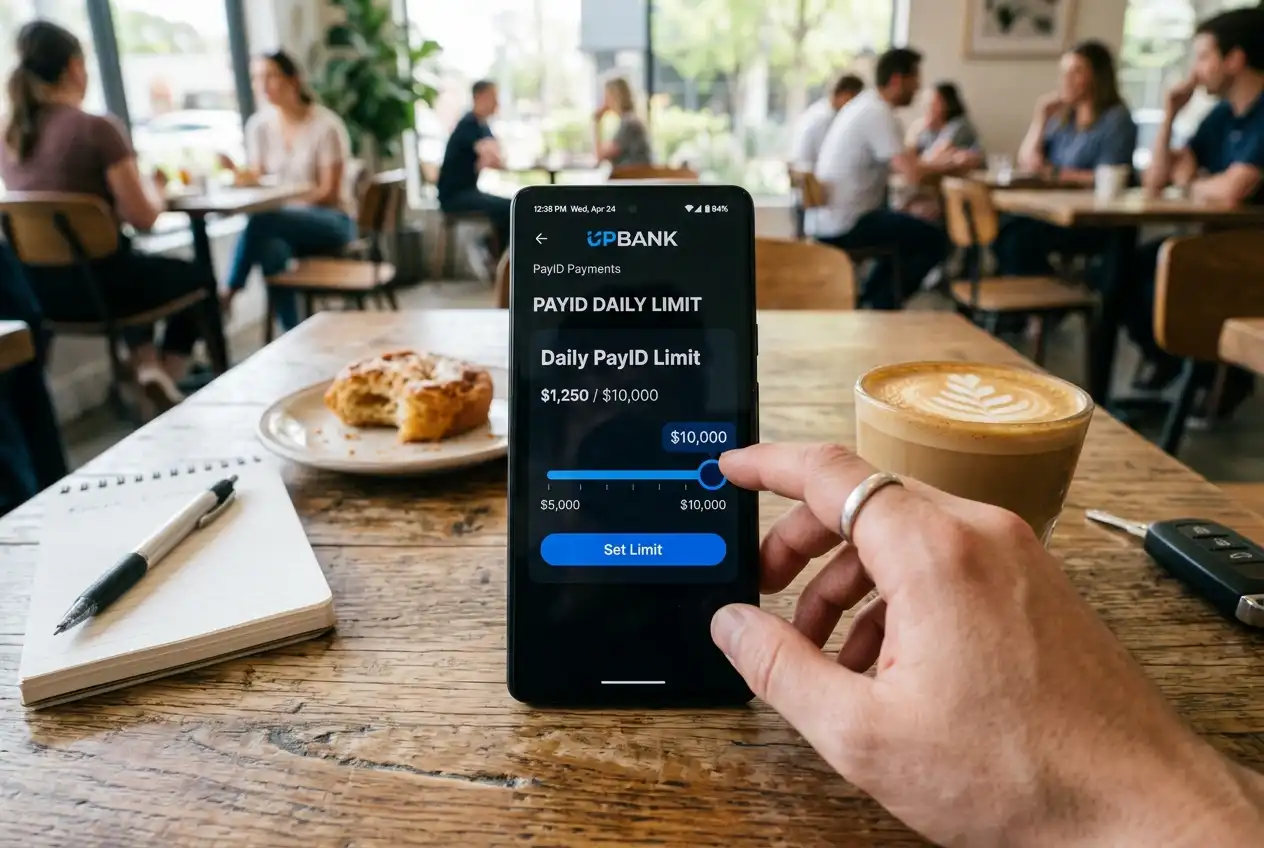
Maximum deposit limits are where things get opaque. Some operators publish their caps clearly in their banking FAQ. Others do not disclose them until you hit the ceiling mid-deposit. The range I have observed spans from AUD 2,000 to AUD 50,000 per transaction, with daily aggregate caps typically two to five times the per-transaction figure. VIP and loyalty programme members often receive elevated limits without requesting them — a quiet perk that operators use to reward consistent depositing behaviour.
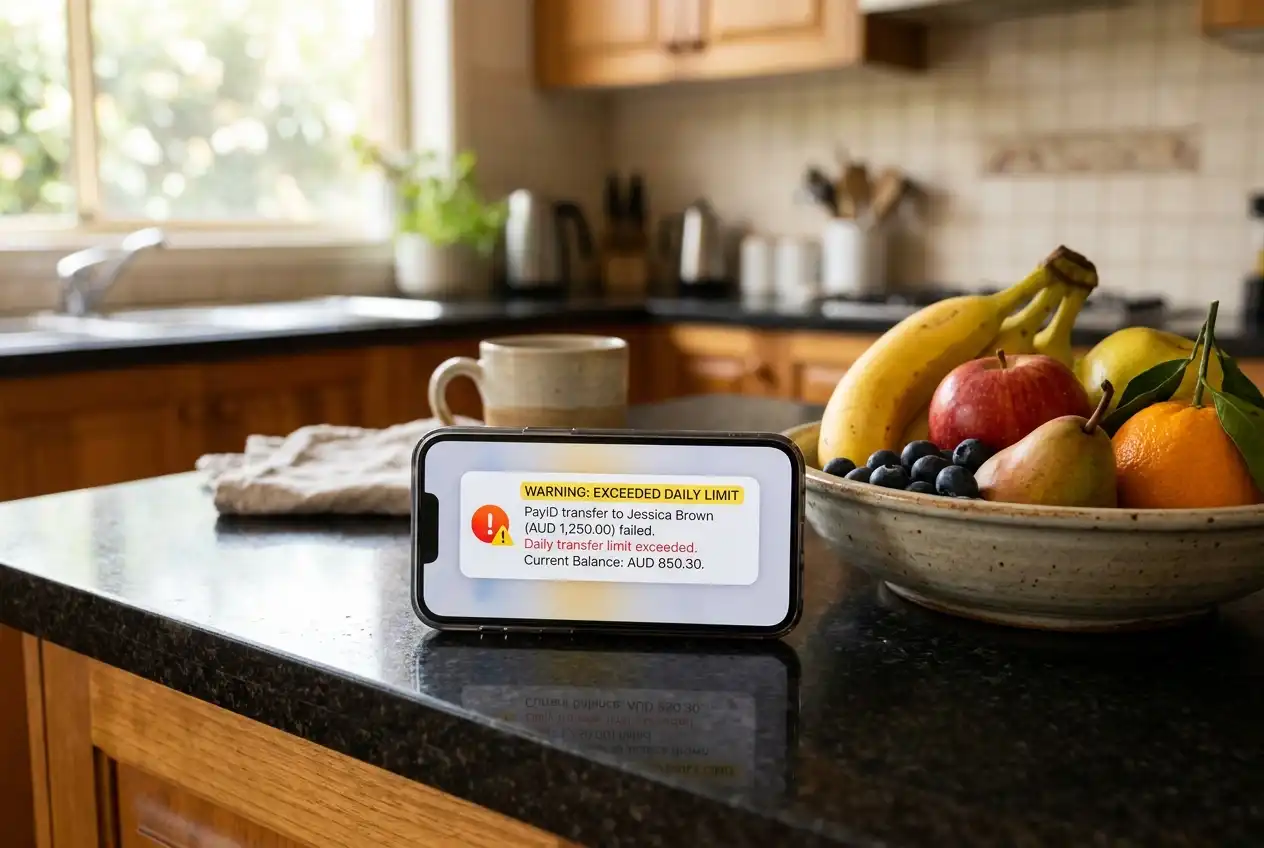
If you are comparing sites, the deposit limit is as important as any bonus offer. A site with generous bonus terms but a AUD 2,000 daily deposit cap is effectively useless for anyone looking to take advantage of a high-roller reload offer that requires a AUD 5,000 qualifying deposit.
How to Increase Your PayID Deposit Limit
On the banking side, increasing your limit is usually self-service. Most banking apps allow you to adjust your daily and per-transaction PayID limits within predefined ranges. Commonwealth Bank, for instance, lets you raise your daily limit to AUD 50,000 through their app without speaking to anyone. Westpac requires a phone call for increases above their standard ceiling. The process typically takes effect immediately for digital requests and within one business day for phone-based requests.

On the casino side, the process is less standardised. Some operators automatically increase limits after you complete enhanced identity verification — uploading proof of address and source-of-funds documentation. Others require you to contact support directly and request an increase. The response time varies from immediate to several business days. I have found that framing the request in terms of responsible gambling awareness — explaining that you prefer fewer, larger deposits to maintain control over your spending — tends to receive faster, more favourable responses than simply asking for a higher limit without context.
When Deposit Limits Protect You From Yourself
Australians lost roughly AUD 25 billion gambling in the 2022-23 financial year. That figure does not come from high-rollers alone — it accumulates from millions of individual sessions where the ease of depositing outpaced the discipline of budgeting. Deposit limits, whether imposed by your bank, the casino, or yourself, serve as circuit breakers in a system designed to make spending frictionless.
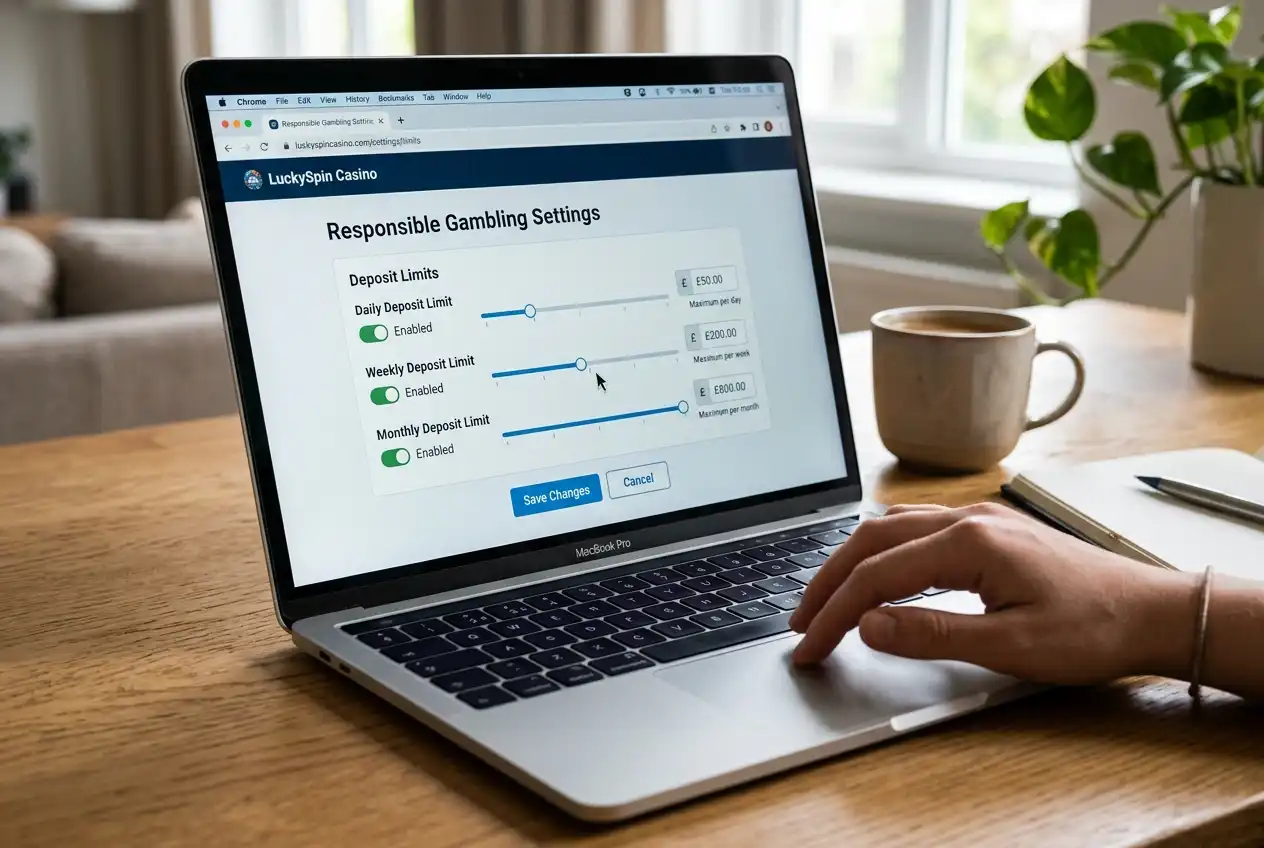
The most effective approach I have seen is to set your bank’s PayID limit to match your predetermined weekly gambling budget, and then leave it there. If your comfortable weekly spend is AUD 500, set a AUD 500 daily limit. You can still deposit daily if you choose, but the banking system enforces a cap that your in-the-moment judgment might not. This is not a workaround for people with gambling problems — it is baseline financial hygiene for anyone who deposits real money into entertainment accounts.
The NPP’s wholesale cost per transaction has dropped from AUD 0.39 in 2019 to about AUD 0.04 today, which means the infrastructure supports high-frequency, low-value deposits at negligible cost. That economic reality makes self-imposed limits more important, not less — the system will happily process fifty AUD 10 deposits in a day if you let it.
Published by the PayEdge team.