
PayID Casino Table Games — Blackjack, Roulette and Baccarat
 Available in AU
Why Instant Deposits Changed How I Play Table Games
I used to plan my table game sessions the way some people plan grocery runs — hours in advance, making sure the funds were already sitting in my casino balance before I sat down. Credit card deposits took a day to clear. Bank transfers were worse. By the time the money arrived, the mental state I was in when I decided to play had evaporated entirely. PayID changed that dynamic overnight, and the shift has been more significant for table games than for any other category of casino play.
Table games reward a particular kind of attention. Blackjack demands strategic decision-making under mild pressure. Roulette benefits from calm, methodical staking. Baccarat is almost meditative in its simplicity. All three suffer when the player starts a session frustrated by a deposit that took too long or failed halfway through. With PayID transfers settling through Australia’s New Payments Platform in under sixty seconds, the gap between deciding to play and actually playing has compressed to almost nothing. That compression matters more for table games than for pokies, because table game players tend to be more deliberate about session management. The wider context is covered in our PayID casino guide.
Blackjack Sessions and the Bankroll Timing Problem
A mate of mine — serious blackjack player, tracks every hand in a spreadsheet — once told me his biggest leak was not card counting failures or strategy deviations. It was impatience. He would sit down with a plan to play 200 hands at a specific stake, then burn through his initial deposit in a bad run and face a choice: stop the session or reload. With old payment methods, reloading meant a 20-minute interruption at best, a 24-hour wait at worst. More often than not, he would either quit mid-strategy or increase his stake to stretch the remaining balance — both terrible options.
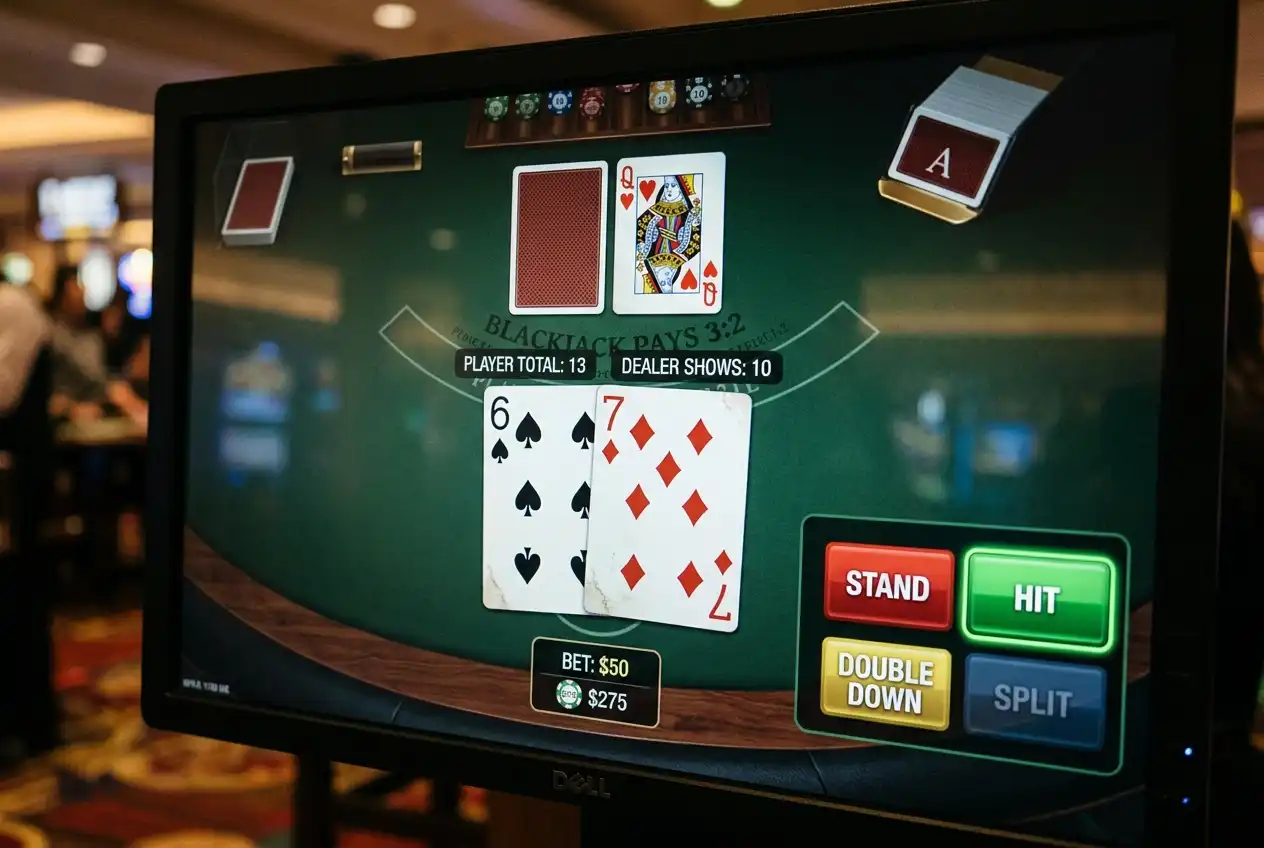
PayID eliminates that pressure point. A reload takes under a minute. The strategic framework stays intact because the bankroll gap is too brief to trigger compensating behaviour. For blackjack players running systems that depend on volume — counting strategies, progressive staking, even basic strategy adherence over statistically meaningful sample sizes — seamless reloads are not a convenience feature. They are structural support for disciplined play.
The numbers behind this are larger than most people assume. Australia’s online casino segment hit USD 462.7 million in 2024 and is on track to reach USD 1,033.4 million by 2030. Table games account for a meaningful share of that growth, particularly among players who prefer skill-influenced outcomes to purely random ones.
Roulette Staking and the Deposit Granularity Advantage
Have you ever tried to execute a structured roulette staking plan — Labouchere, D’Alembert, or even a simple flat-bet progression — with a round-number deposit that does not quite fit your unit size? I have, and the arithmetic friction is surprisingly disruptive. If your system calls for AUD 7 units and you deposited AUD 100, you are working with 14.28 units. The rounding errors compound across a session, making it harder to track where you are in the sequence.
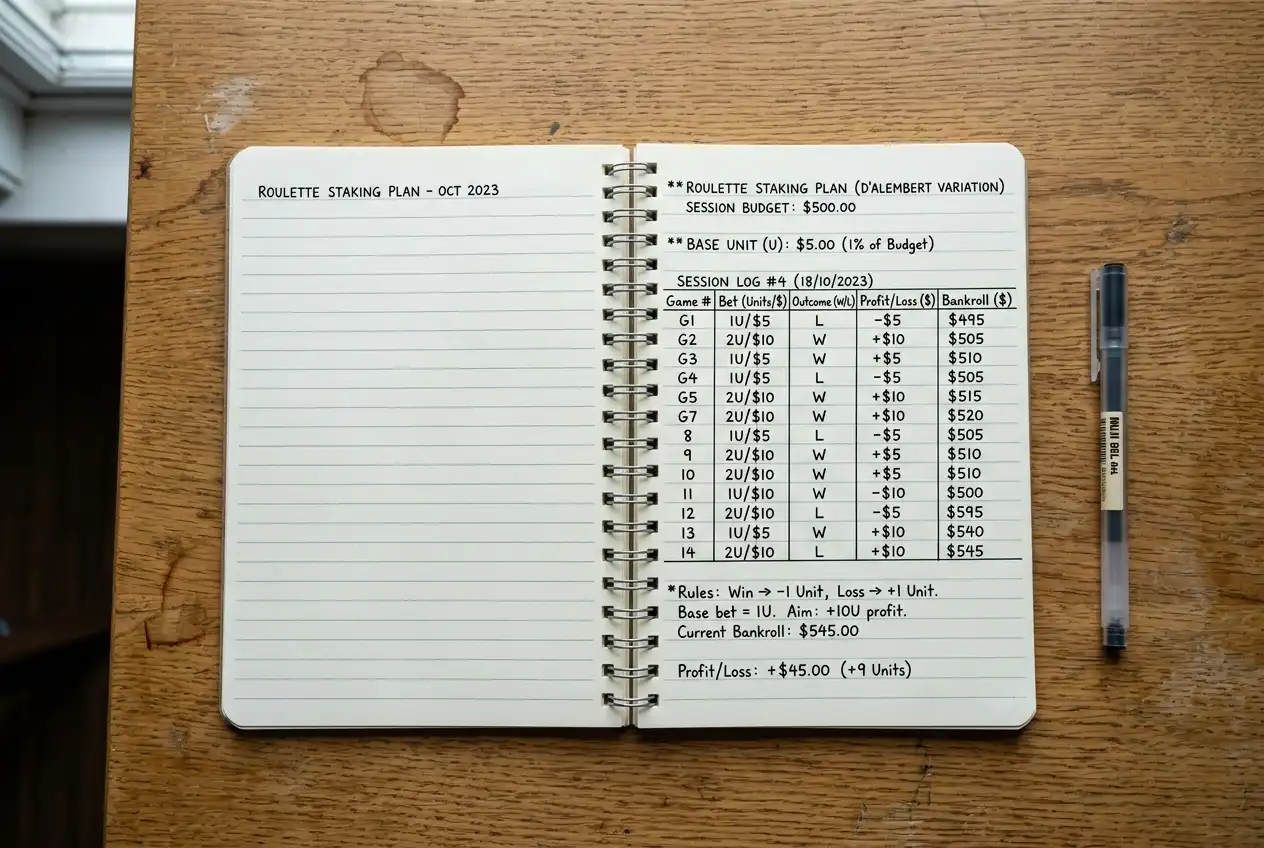
PayID’s flexibility helps here in a way that card deposits and e-wallets do not always match. Because PayID transfers are direct bank-to-operator movements with no intermediary processing fees on most platforms, you can deposit the exact amount your staking plan requires. AUD 147 for 21 units of AUD 7. AUD 84 for 12 units of AUD 7. The precision sounds trivial, but structured roulette play lives and dies on clean numbers. And because the NPP handles over 155 million transactions monthly with a wholesale cost that has dropped to roughly four cents per transaction, neither the infrastructure nor the operator has a financial incentive to impose minimum deposit thresholds that force you into round numbers. Dealt in real time, they overlap with live dealer play.

Live roulette adds another dimension. The table does not wait for your deposit to clear. If you are mid-session at a live roulette table and run low, a sub-60-second PayID reload means you miss one or two spins at most, not ten or fifteen. That continuity matters less for the financial outcome — the wheel has no memory — but it matters enormously for the psychological flow of the session.
Baccarat and the High-Turnover Deposit Cycle
Baccarat occupies a unique space among table games. The house edge is thin — around 1.06% on banker bets — but the game moves fast and the average bet size tends to run higher than blackjack or roulette. A serious baccarat session can churn through a substantial bankroll in a relatively short time, not because the player is losing aggressively, but because the volume of decisions per hour is high and variance does what variance does.
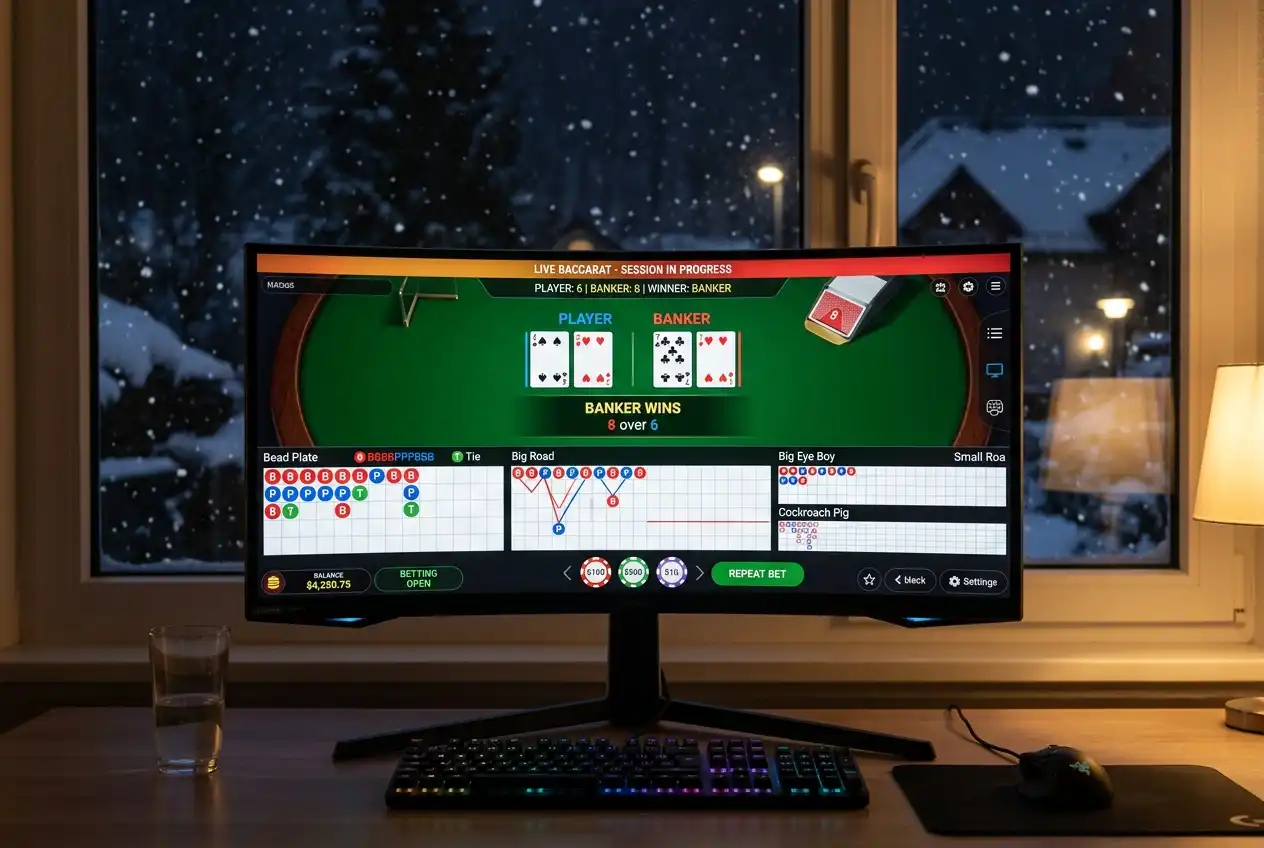
This high-turnover profile makes deposit speed a more critical factor than in slower games. I have watched baccarat players at live tables lose their rhythm entirely because a reload took four or five minutes — long enough for the table dynamic to shift, other players to change seats, and the mental snapshot of the session’s flow to dissolve. With PayID, the reload is fast enough to feel like part of the game rather than an interruption of it.
For players managing casino deposit limits, baccarat’s turnover rate also creates a practical consideration around daily caps. If your bank or the operator limits PayID deposits to AUD 5,000 per day, a baccarat session at AUD 50 per hand with normal variance can exhaust that limit faster than you might expect. Knowing your limits before you sit down saves the frustration of hitting an invisible wall mid-session.
Game Selection and Payment Method Compatibility
Not every table game at every casino works identically with PayID deposits. The core transaction — moving money from your bank to the operator — is universal. But some operators apply different minimum or maximum table limits depending on how the deposit was funded. I have encountered sites where PayID deposits under AUD 50 excluded access to certain VIP blackjack tables, not because of a PayID-specific restriction but because the table’s minimum buy-in exceeded the deposit amount and the operator’s system enforced a balance check at the lobby level.

The more practical compatibility question involves bonuses. Table games typically contribute less to wagering requirements than pokies — sometimes as low as 5-10% per wager. If you deposited via PayID and claimed a bonus, your effective playthrough on blackjack might be twenty times longer than a pokies player with the same bonus. This is not a PayID issue, it is a table-game issue, but the two intersect when players deposit specifically to claim an offer without checking the game contribution schedule first.
Software providers matter too. Evolution, Pragmatic Play Live, and Ezugi all run table games through different streaming infrastructures with different deposit-crediting cadences. PayID’s near-instant settlement at the banking level does not guarantee near-instant crediting at the game level. Some operators batch-credit deposits every few minutes rather than in real time, which means your PayID transfer might settle in 30 seconds but take another 3-5 minutes to appear as playable balance in the live lobby. Understanding which operators process credits in real time versus batched intervals is worth knowing before you commit to a particular site for table game play.
Where Table Game Players Actually Benefit Most
After years of playing table games with every payment method available in Australia, I have landed on a simple conclusion: PayID’s primary advantage for table game players is not speed alone. It is the combination of speed, precision, and low friction that protects the decision-making framework a table game session requires. Pokies are tolerant of deposit interruptions because the gameplay is mechanically simple and emotionally detached from bankroll management. Table games are not.

The player who sits down at a blackjack table with a clear strategy, deposits the exact bankroll their plan requires in under a minute, and can reload without breaking concentration — that player has a structural advantage over the player fighting with a clunky cashier system. Not a mathematical edge against the house — the maths do not change — but a practical edge against their own worst impulses. And in table games, where the margin between disciplined and undisciplined play is the difference between a 0.5% and a 5% effective house edge, that practical advantage translates directly into money saved over time.
Prepared by the PayEdge editorial staff.