
PayID Casino No Verification -- Does It Exist, and What Are the Risks?
 Available in AU
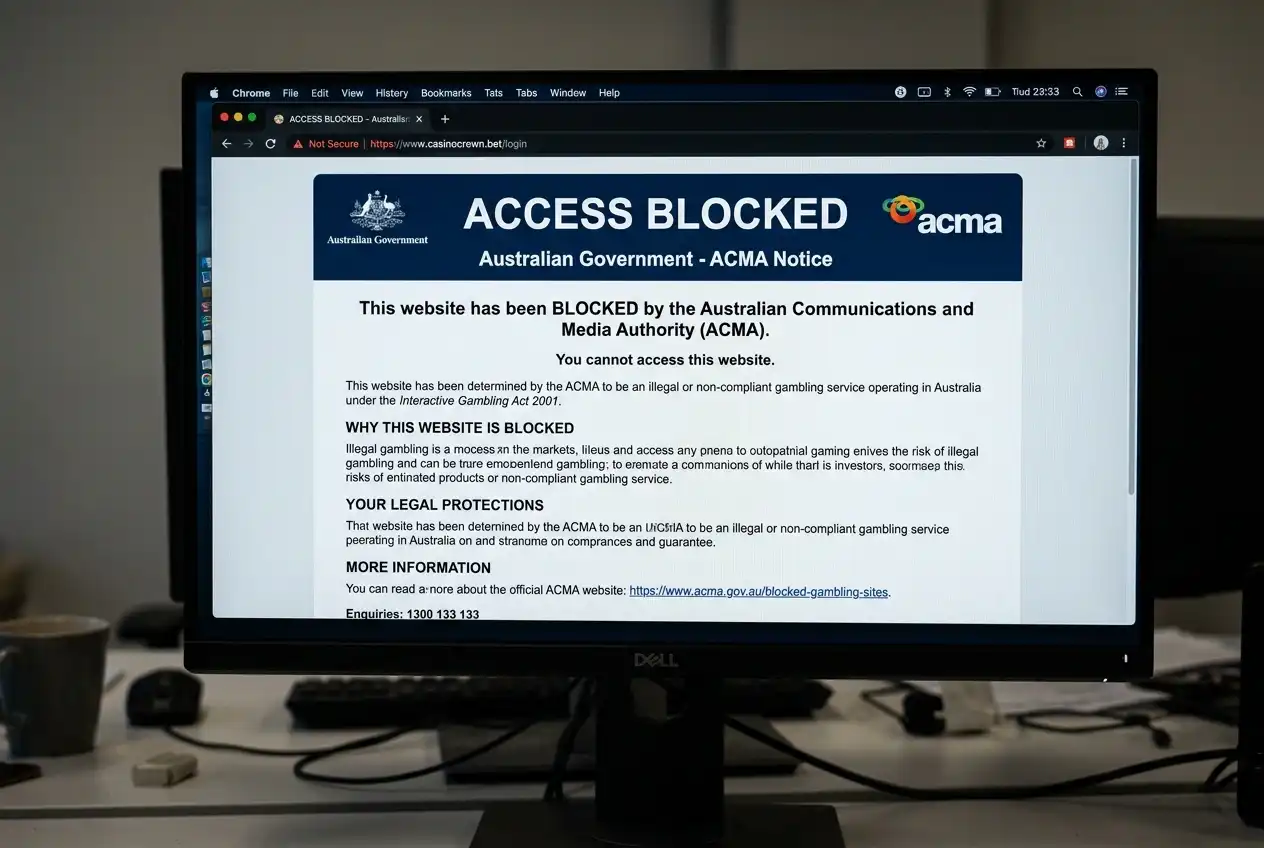
The search for a casino that lets you deposit, play, and withdraw without ever providing identity documents is one of the most persistent themes I encounter in the Australian iGaming space. The appeal is understandable — nobody enjoys uploading passport photos to a website — but the reality of “no verification” PayID casinos is more complicated than the marketing suggests. ACMA has blocked 1,708 illegal gambling and affiliate sites as of May 2026, and many of the blocked sites were the same ones advertising verification-free play as a feature rather than a compliance failure.
This guide separates the marketing claim from the operational reality, explains when verification is genuinely deferred versus when it is simply waiting to ambush you at the withdrawal stage, and outlines the risks of playing at sites that treat KYC as optional. The wider context is covered in our PayID casino guide.
What “No Verification” Really Means at PayID Casinos
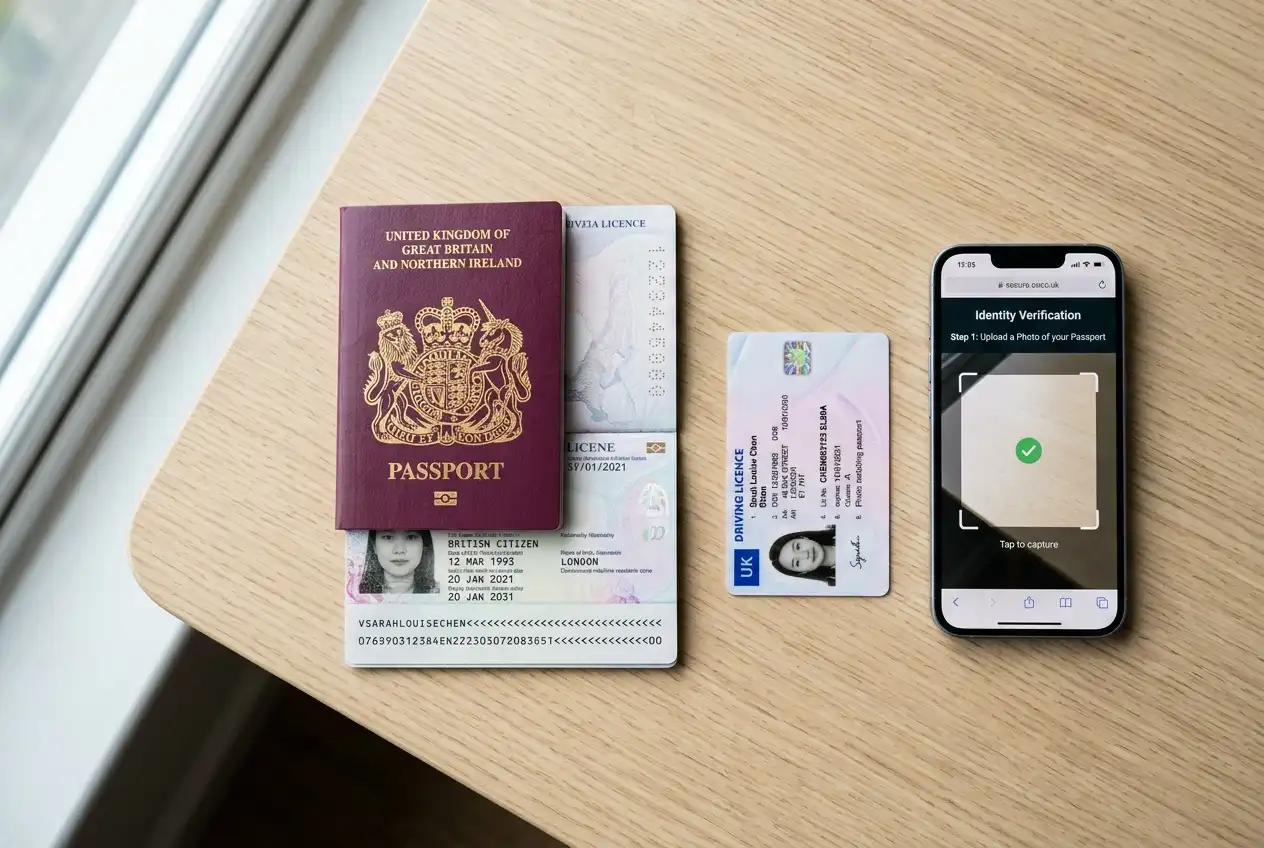
I deposited at a site earlier this year that described itself as “instant play, no documents required.” The deposit went through via PayID in under a minute. I played for two hours, built my balance up by AUD 150, and submitted a withdrawal. Within thirty minutes, I received an email asking for a photo of my driver’s licence, a selfie holding the licence, and a utility bill dated within the last three months. The “no verification” promise applied to deposits only. The moment I tried to take money out, the full KYC process kicked in.

This is the standard pattern at the vast majority of sites that advertise no-verification play. What they mean is deferred verification — you can deposit and play without providing documents, but the verification requirement activates when you request your first withdrawal or when your cumulative deposits cross a threshold. The site collects your money freely but holds your winnings until you prove who you are.
A smaller number of sites genuinely skip KYC entirely, for both deposits and withdrawals. These are almost exclusively offshore operators with no Australian licensing, no BetStop integration, and no AML compliance framework. They can offer true no-verification play because they are not bound by the regulatory requirements that apply to licensed operators. The trade-off is that you are trusting your funds to a site with no legal obligation to pay you, no regulator to complain to, and no recourse if the site shuts down overnight. KYC is what delays payouts: withdrawal time.
The credit card ban for online gambling, which took effect in June 2024 with penalties up to AUD 247,500, pushed more players toward PayID as a deposit method. That same regulatory momentum has also tightened verification standards across the market. Sites operating within any recognised compliance framework are required to verify player identity, and the only question is whether that happens at registration, at first deposit, or at first withdrawal.
Withdrawal Thresholds That Trigger Mandatory Verification
Even at sites that defer KYC, there are specific trigger points where verification becomes unavoidable. Understanding these thresholds helps you anticipate when the document request will arrive rather than being caught off guard at the worst possible moment — when you are trying to cash out a winning session.

The most common trigger is the first withdrawal request. Regardless of the amount, the act of requesting a payout at most deferred-KYC sites initiates the verification process. The withdrawal is placed on hold until documents are submitted and reviewed, which typically takes 24 to 72 hours for the review alone. Add that to the standard processing time and your “instant” PayID withdrawal becomes a multi-day affair.
Cumulative deposit thresholds are the second trigger. Many sites require verification once total deposits exceed a set amount — commonly AUD 1,000 to AUD 2,000. This applies even if you have not requested a withdrawal. The site will lock your account, prevent further deposits, and require document submission before you can continue playing. If your balance has been growing through winning sessions, the lock can feel like the site is holding your money hostage.
AML reporting thresholds are the third trigger. Under Australian anti-money-laundering rules, transactions above certain amounts require enhanced due diligence. For casino operators subject to AML obligations, a single large deposit or a pattern of deposits that crosses a reporting threshold will trigger mandatory identity verification regardless of the site’s stated KYC policy. The operator has no discretion here — the legal requirement overrides the marketing promise.
Risks of Playing at Unregulated No-KYC Sites
The sites that genuinely do not verify identity at any stage are the ones I advise the most caution about. The absence of KYC is not a feature — it is a symptom of operating outside the regulatory framework entirely.

The most immediate risk is non-payment. A site with no regulatory oversight has no obligation to honour withdrawal requests. I have documented cases where players built substantial balances at no-KYC offshore sites, submitted withdrawals, and received nothing — no funds, no communication, no resolution. With no licence to revoke and no regulator to investigate, the player has no leverage.
The second risk is data exposure. No-KYC sites still collect data — your PayID identifier, your deposit amounts, your playing patterns, and your device information. Without a compliance framework governing data handling, that information can be sold, leaked, or exploited. The irony of choosing a “no verification” site for privacy reasons is that your transaction data may end up less protected than it would be at a regulated operator bound by Australian privacy law.
The third risk is association with money laundering. Sites that do not verify identity are attractive to bad actors looking to move funds through casino accounts. If your PayID is used for transactions at a site later identified in an AML investigation, your banking records may be swept into the inquiry even if your own activity was entirely legitimate. The banks monitor inbound and outbound PayID transfers, and transactions with flagged entities can trigger reviews on your personal account.
The fourth risk is the absence of responsible gambling tools. BetStop, Australia’s national self-exclusion register, only applies to operators that participate in the programme. No-KYC offshore sites do not connect to BetStop, do not enforce deposit limits set by the player, and do not offer the cooling-off periods and session timers that regulated sites are required to provide. If you need those safety mechanisms that make PayID casinos safer, they simply do not exist at unregulated sites.
The bottom line: verification is inconvenient, but it exists to protect both the player and the integrity of the payment system. A site that skips it is not doing you a favour. It is removing the safeguards that give you recourse when something goes wrong.
Prepared by the PayEdge editorial staff.