
PayID Casino and Responsible Gambling — Payment Controls
 Available in AU
The Conversation Nobody Wants to Have About Fast Payments
I will say something that most writers in this space avoid: instant deposits are a double-edged sword. PayID transfers settle in under sixty seconds, and that speed — the same feature that makes the system genuinely useful — also removes a friction point that once served as a natural pause button. When a bank transfer took two days, the delay created an accidental cooling-off period. By the time the money arrived, the emotional impulse that triggered the deposit had often passed. PayID eliminated that buffer entirely, and anyone writing about this payment method without acknowledging that reality is doing their readers a disservice.
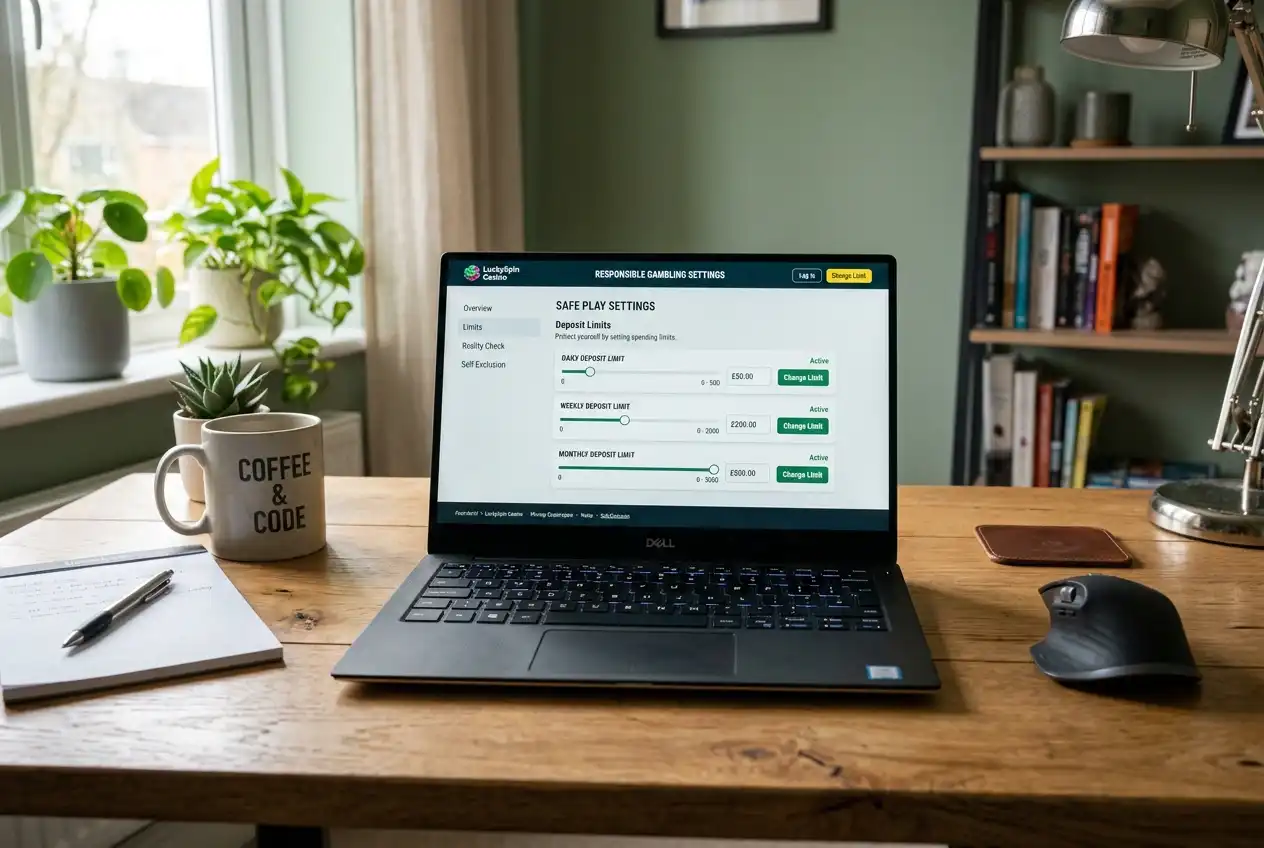
Australians wagered AUD 244.3 billion in the 2022-23 financial year and lost approximately AUD 25 billion — the largest per-capita gambling losses globally. Those numbers are not abstract. They represent real households, real financial stress, and real consequences that no payment technology can fix on its own. What PayID can do, when paired with the right banking tools and personal discipline, is give players more control over their deposit behaviour than most payment methods offer. The key is knowing which controls exist and how to activate them before they are needed. The wider context is covered in our PayID casino guide.
Bank-Level Controls That Work Before the Casino Gets Involved
Your bank already has tools that function as responsible gambling controls, even though they are not labelled that way. Daily transfer limits, transaction alerts, and spending notifications all exist within your banking app — and they all apply to PayID transactions. The trick is configuring them proactively rather than reactively.

Start with daily transfer limits. Every major Australian bank lets you set a maximum amount for outgoing PayID transfers. If you know your comfortable gambling budget is AUD 200 per week, set your daily PayID limit to AUD 50. This is not a suggestion that requires willpower to follow — it is a hard cap enforced by the bank’s infrastructure. Once you hit it, no amount of impulse can push another dollar through until the next day. Some banks also offer per-transaction limits, which are useful for preventing a single large deposit made in an emotionally charged moment.
Transaction notifications add a layer of awareness. Every time a PayID transfer leaves your account, you receive a push notification with the amount, time, and recipient. Over a month, those notifications build a pattern that is impossible to ignore. I set mine up three years ago and the cumulative visibility has been more effective than any self-assessment quiz at keeping my gambling expenditure in perspective.
Louise Glanville, former CEO of the Victorian Responsible Gambling Foundation, has emphasised that gambling harm is not just about problem gamblers — it affects a much wider population than most frameworks acknowledge. The banking controls available through PayID align with that broader view: they benefit anyone who wants to maintain deliberate control over how much money moves toward gambling, regardless of whether they consider themselves at risk.
Operator-Side Deposit Limits and How They Stack With Banking Controls
Every licensed casino operator offers deposit limit tools — daily, weekly, and monthly caps that you set in your account settings. These limits apply on top of whatever your bank enforces. The layered effect is powerful: if your bank allows AUD 200 per day in PayID transfers and your casino deposit limit is set to AUD 150 per day, the effective cap is AUD 150 — the lower of the two wins.
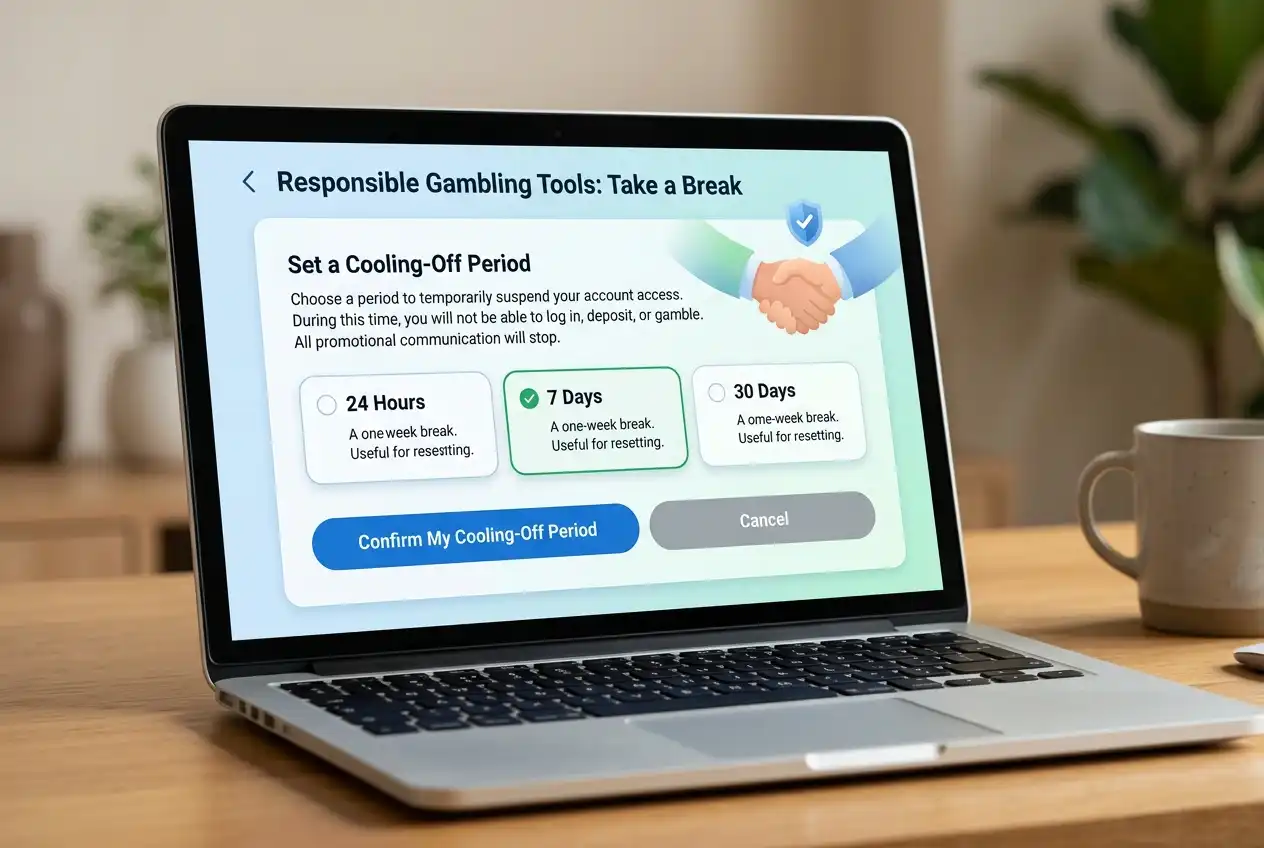
Where it gets interesting is in how these limits interact with cooling-off mechanics. Most operators let you decrease your deposit limit instantly but require a waiting period — typically 24 hours to seven days — before any increase takes effect. This asymmetry is intentional and genuinely protective. In a moment of frustration after a losing streak, you might want to raise your limit. The mandatory delay forces the decision through a sober review period before the higher limit becomes available. PayID’s speed makes this safeguard more important, not less. Deposit caps are the first control: deposit limits.
I have tested the limit-change workflows at over a dozen operators and the experience varies more than it should. Some make the controls easy to find and quick to configure. Others bury them three menus deep behind vague labels like “Account Preferences” or “Banking Settings.” If a site makes its responsible gambling tools hard to find, treat that as information about how seriously the operator takes player welfare.
Self-Exclusion and What It Actually Means for PayID Users
Self-exclusion is the strongest tool available, and it works independently of your payment method. When you self-exclude from an operator, your account is frozen — no deposits, no play, no withdrawals of pending funds until the exclusion period ends. National self-exclusion registers like BetStop in Australia extend this across all participating operators simultaneously. PayID does not bypass self-exclusion, and no payment method can.

What self-exclusion does not do is prevent you from sending a PayID transfer to a non-participating operator. Offshore sites that hold no Australian licence are not connected to BetStop, which means the payment will process even if you are self-excluded domestically. This is a gap in the system, not a feature of PayID. ACMA has blocked over 1,708 offshore gambling sites to date, and more than 230 operators have voluntarily left the Australian market since 2017. But enforcement is ongoing, and no blocking system captures every unlicensed site.
For players who have self-excluded and want an additional layer of protection, some banks offer gambling-specific transaction blocks. These tools — available at banks like NAB, CommBank, and Westpac — allow you to block all outgoing payments to merchants categorised as gambling services. The block applies to PayID transfers where the receiving account is classified under a gambling merchant code, though not every operator’s banking details trigger this classification. It is an imperfect but meaningful supplement to self-exclusion.
Building a Personal Framework That Does Not Rely on Willpower
Willpower is a resource that depletes under stress, fatigue, and emotional pressure — exactly the conditions that most often precede impulsive gambling deposits. Any responsible gambling strategy that depends entirely on willpower is a strategy designed to fail at the moment it matters most. The advantage of PayID-based controls is that they operate at the infrastructure level, independent of your emotional state at 2 AM on a Wednesday.

Here is the framework I use and recommend: set your bank’s daily PayID limit to your weekly gambling budget divided by the number of days you typically play. Set the casino’s deposit limit to the same amount. Enable transaction notifications so every deposit registers consciously. Review your banking statement’s gambling-related transactions monthly — not as punishment, but as data. If the numbers surprise you, the limits need adjusting downward.
Australia’s broader online gambling market sits between USD 5.5 and 6.13 billion in 2025, and the sector continues to grow. More money flowing through faster payment systems means the personal responsibility component scales alongside the market. The tools exist. The infrastructure supports them. The remaining variable is whether individual players take the fifteen minutes required to configure them before they are needed rather than after.
If you are concerned about your gambling behaviour or someone else’s, the National Gambling Helpline is available at 1800 858 858, and Gambling Help Online offers real-time deposit limit guidance alongside broader support services.
Created by the "PayEdge" editorial team.