
PayID vs Crypto Casino — Speed, Privacy, Fees and Legal Status
 Available in AU
Two years ago, a colleague asked me which payment method I would choose if I could only use one for casino transactions in Australia. My answer then was PayID, and my answer has not changed — but the reasoning has become more nuanced. Crypto casinos have matured since 2024, and the comparison is no longer as one-sided as it was when Bitcoin withdrawal times routinely stretched past an hour and gas fees made small transactions impractical. Both options now deliver speed. The differences lie in settlement mechanics, fee structures, currency stability, and how Australian regulators view each one. The wider context is covered in our PayID casino guide.
Transaction Speed — NPP Settlement vs Blockchain Confirmations
I timed a PayID deposit and a Bitcoin deposit to the same casino on the same afternoon. The PayID transfer, routed through the NPP, credited to my casino balance in forty-three seconds. The Bitcoin deposit required three network confirmations and took fourteen minutes — fast by crypto standards, but an order of magnitude slower than the NPP rail.

The NPP processed nearly 2 billion real-time transactions in 2025, handling over 155 million per month. Each transaction settles between sender and receiver banks in seconds through a centralised infrastructure that operates 24/7. There is no confirmation queue, no block time variability, and no network congestion factor. The settlement time for a PayID casino deposit is essentially constant regardless of the time of day or the volume on the network.
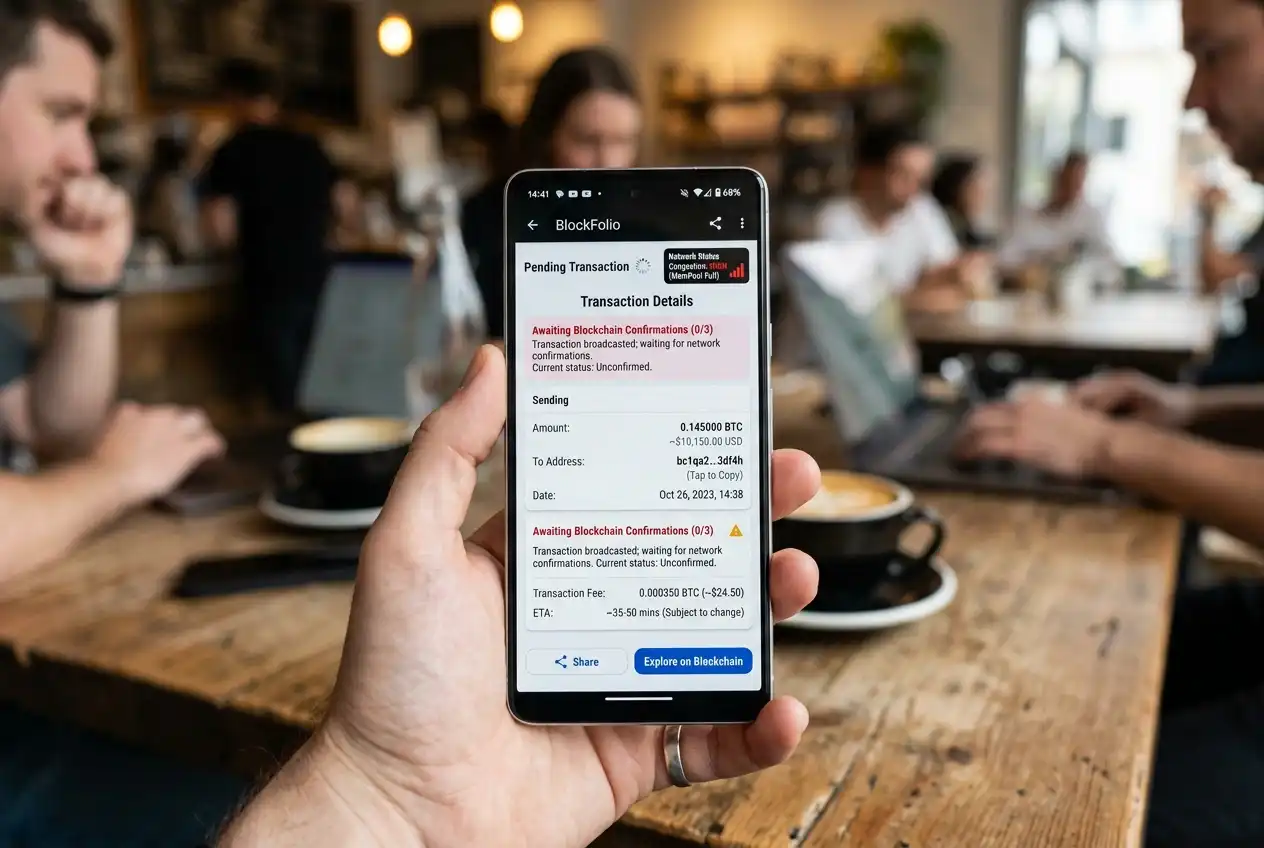
Blockchain settlement depends on the token and the network load. Bitcoin averages around ten minutes per block with a standard three-confirmation requirement, but that average conceals significant variance — during high-traffic periods I have waited over thirty minutes for the same three confirmations. Litecoin is faster, with roughly 2.5-minute blocks. Ethereum’s post-merge settlement is quicker still, but gas fees fluctuate. Stablecoins on layer-2 networks like Polygon or Arbitrum approach near-instant settlement, but they require the casino to support the specific network, and not all do.
For withdrawals, the comparison tilts further toward PayID. Casino-to-player PayID withdrawals settle in seconds once the casino submits the payment. Crypto withdrawals involve the same blockchain confirmation times, plus the casino’s hot-wallet processing queue, which can add minutes or hours depending on the site’s treasury management.
Fees and Volatility — AUD Stability vs Token Price Swings
PayID transactions carry no fee for the user. The wholesale cost per NPP transaction dropped from $0.39 in 2019 to approximately $0.04 by the 2025 financial year, and banks absorb that cost as part of standard account services. Your AUD 100 deposit arrives at the casino as AUD 100, and your AUD 100 withdrawal arrives in your bank as AUD 100. There is no conversion, no spread, and no gas fee.

Crypto transactions involve network fees that vary by chain and congestion. A Bitcoin transaction might cost AUD 2 to AUD 15 depending on network conditions. Ethereum mainnet transactions during peak periods have exceeded AUD 30 in gas fees, though layer-2 solutions bring that down to cents. Stablecoin transfers on Polygon are nearly free, but the on-ramp — converting AUD to stablecoin — introduces exchange fees of 0.5% to 1.5% at most Australian platforms.
The larger issue is volatility. If you deposit 0.01 BTC when Bitcoin is at AUD 100,000, your casino balance shows AUD 1,000. If you play for a few hours and Bitcoin drops 3% during that session, your withdrawal of 0.01 BTC is now worth AUD 970 in fiat terms — a AUD 30 loss that has nothing to do with your gaming results. Stablecoins solve this by pegging to USD, but they introduce a different risk: regulatory uncertainty about the stablecoin issuer and the possibility of a de-pegging event.
PayID eliminates all of this. Your deposit is denominated in AUD, your play is denominated in AUD, and your withdrawal is denominated in AUD. There is no conversion step, no volatility exposure, and no fee beyond what does not exist. The domestic comparison is PayID vs bank transfer.
Regulatory Status — Licensed Banks vs Unregulated Exchanges
This is where the comparison becomes starkest. PayID operates within the regulated Australian banking system. Every PayID transaction routes through the NPP, which is governed by the Reserve Bank of Australia and operated by Australian Payments Plus. The banks that connect to the NPP are APRA-regulated, subject to AML/CTF obligations, and backed by deposit guarantees. When you send a PayID deposit to a casino, the transaction creates a verifiable, regulated paper trail at both ends.

Crypto casino transactions operate largely outside that framework. ACMA has blocked 1,708 illegal gambling sites as of May 2026, and a significant proportion of those blocked sites accepted only cryptocurrency — precisely because crypto-only payment infrastructure does not require integration with regulated banking partners. The absence of banking integration is both the feature and the risk: it provides operational freedom for the casino and removes institutional safeguards for the player.
Australian law does not prohibit individuals from using cryptocurrency for transactions, but the regulatory treatment of crypto casinos is substantially less favourable than that of sites operating through the banking system. Licensed Australian-facing operators that accept PayID are subject to the Interactive Gambling Act, ACMA oversight, BetStop participation, and AML reporting requirements. Crypto-only casinos — particularly those offshore — sit outside most or all of those obligations.
The practical consequence is recourse. If a PayID casino fails to pay out, you have a documented banking transaction, a regulated receiving party, and regulatory bodies you can complain to. If a crypto casino fails to pay out, you have a blockchain hash and very little else.
Which Payment Suits Your Playing Style
The choice is not purely technical — it reflects what you prioritise. If you value settlement certainty in AUD, zero fees, regulatory protection, and a clean paper trail for tax and banking purposes, PayID is the stronger option by a wide margin. The NPP infrastructure is faster, cheaper, and more reliable than any blockchain for the specific use case of moving Australian dollars between a bank account and a casino.

If you prioritise pseudonymity — and understand that pseudonymity is not the same as anonymity — crypto has an edge. A blockchain transaction does not contain your name, phone number, or email address the way a PayID transaction does. But that pseudonymity erodes when you convert AUD to crypto through a regulated Australian exchange, which requires KYC and reports to AUSTRAC.
My position, informed by nearly a decade of payment analysis: for the majority of Australian casino players, PayID offers a better combination of speed, cost, stability, and protection than crypto does in its current form. That calculus could shift as blockchain infrastructure matures and regulatory frameworks evolve, but in 2026, the NPP’s real-time settlement at zero cost and full regulatory backing is a hard combination to beat.
Published by the PayEdge team.