
PayID Casino for New Zealand — Compatibility and Alternatives
 Available in AU
The Short Answer Most Sites Will Not Give You
I get this question from New Zealand-based readers more than almost any other: “Can I use PayID at a casino from New Zealand?” The short answer is no — and the longer answer explains why that limitation exists, what alternatives achieve a similar result, and why the underlying infrastructure matters more than the brand name on the payment method.
PayID is a feature of Australia’s New Payments Platform. It is built into Australian banking infrastructure and requires an Australian bank account to register. A New Zealand bank account — regardless of which institution holds it — cannot create or receive PayID identifiers. The system is domestic by design, not by accident. The NPP processes over 155 million transactions monthly, but every one of those transactions originates and terminates within the Australian banking system. The wider context is covered in our PayID casino guide.
Why Cross-Border Instant Payments Do Not Exist Yet
The technical barriers are real but not permanent. Australia and New Zealand share close economic ties, aligned regulatory frameworks, and banking systems that operate on broadly compatible standards. What they do not share is a unified real-time payment rail. The NPP in Australia and the ESAS (Exchange Settlement Account System) managed by the Reserve Bank of New Zealand handle domestic real-time payments separately, with no interoperability layer connecting them.
Cross-border instant payment projects are in development across the Asia-Pacific region. The Bank for International Settlements has been facilitating experiments in multi-currency real-time settlement, and Australia’s NPP has explored connections with payment systems in Singapore and other markets. New Zealand sits on that roadmap — but “on the roadmap” and “available today” are separated by years of regulatory negotiation, technical integration, and bilateral testing. For the near term, PayID remains Australian-only.
Lynn Kraus, CEO of APay+, has noted that real-time payment systems are transforming how consumers interact with financial services — but that transformation is happening domestically before it goes international. The cross-border layer adds complexity in currency conversion, regulatory compliance, and anti-money-laundering obligations that domestic systems do not face.
What New Zealand Players Actually Use Instead
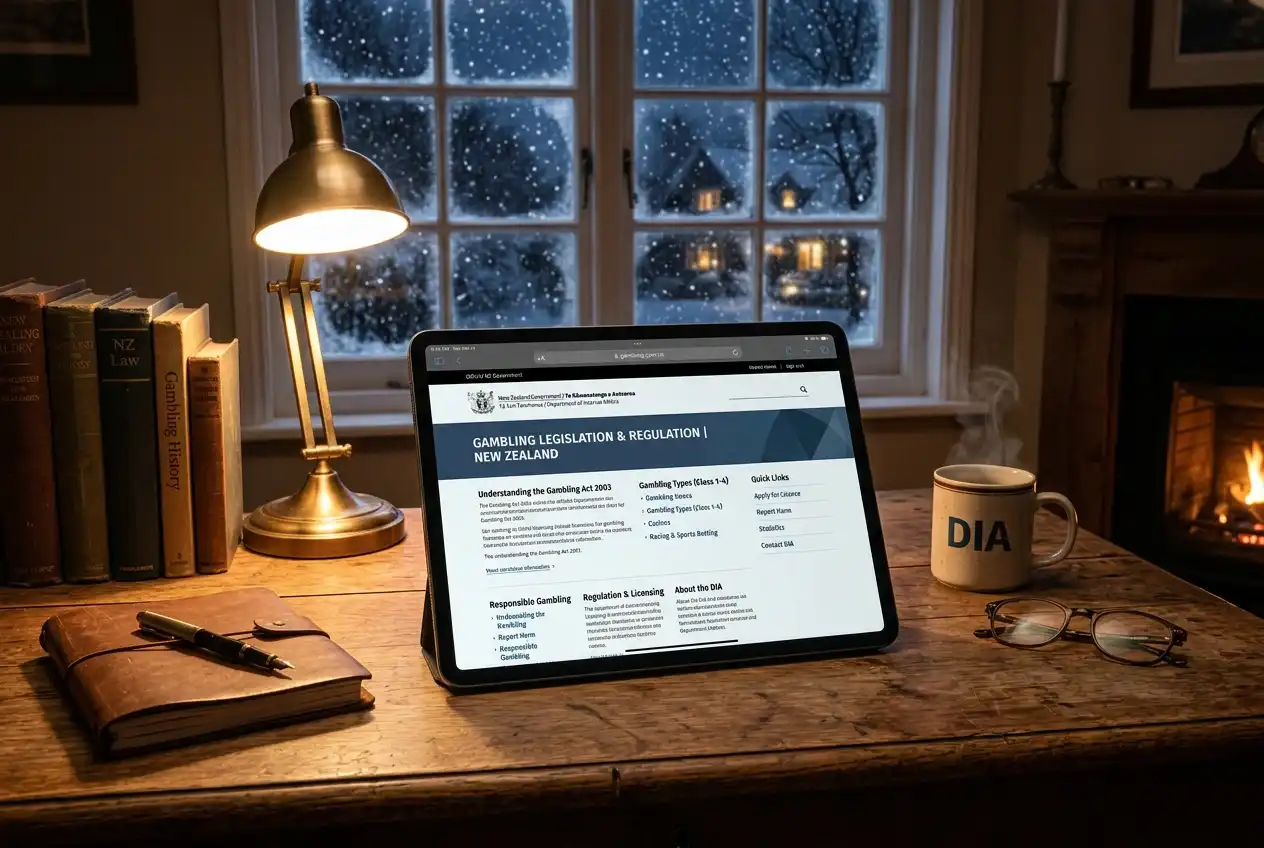
New Zealand’s online gambling market operates under a different regulatory framework than Australia’s. The Gambling Act 2003 prohibits New Zealand-based operators from offering remote interactive gambling, but does not prohibit New Zealand residents from using offshore gambling services. This creates a landscape where NZ players access international casino sites using payment methods that work cross-border.
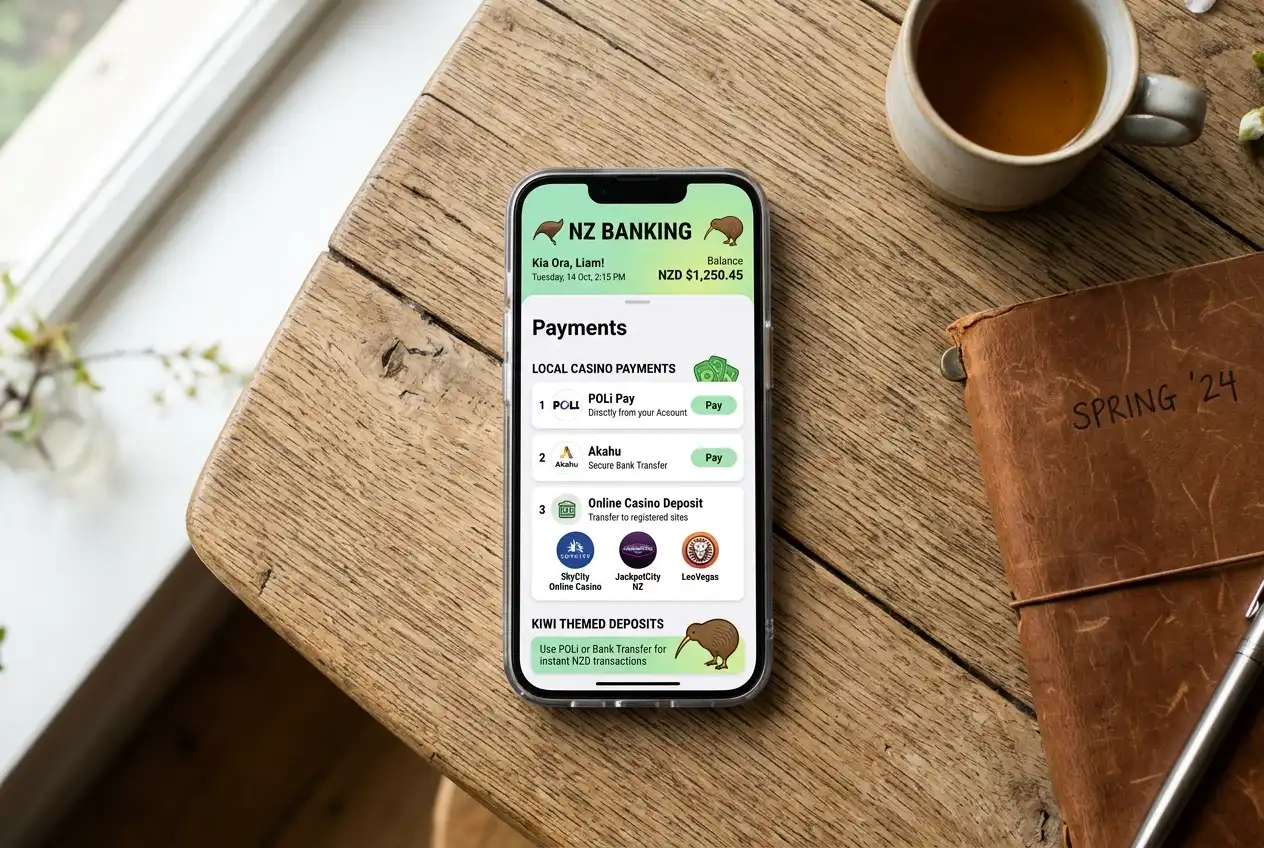
The closest equivalent to PayID for New Zealand players is POLi — a direct bank transfer system that connects to most major NZ banks (ANZ, ASB, BNZ, Kiwibank, Westpac NZ) and processes deposits in real time. POLi operates differently from PayID — it uses screen-scraping technology to initiate payments through your internet banking session, rather than a dedicated payment rail — but the practical result is similar: a deposit that moves money directly from your bank account to the casino without an intermediary wallet. If PayID is unavailable, see the alternatives.
E-wallets (Skrill, Neteller, ecoPayz) remain popular among NZ casino players because they handle currency conversion between NZD and the casino’s operating currency (usually USD, EUR, or AUD). Bank transfers in NZD are accepted by some operators but typically settle in one to three business days — the same delay that Australian players experienced before PayID made instant transfers standard.
Currency Conversion and Hidden Costs
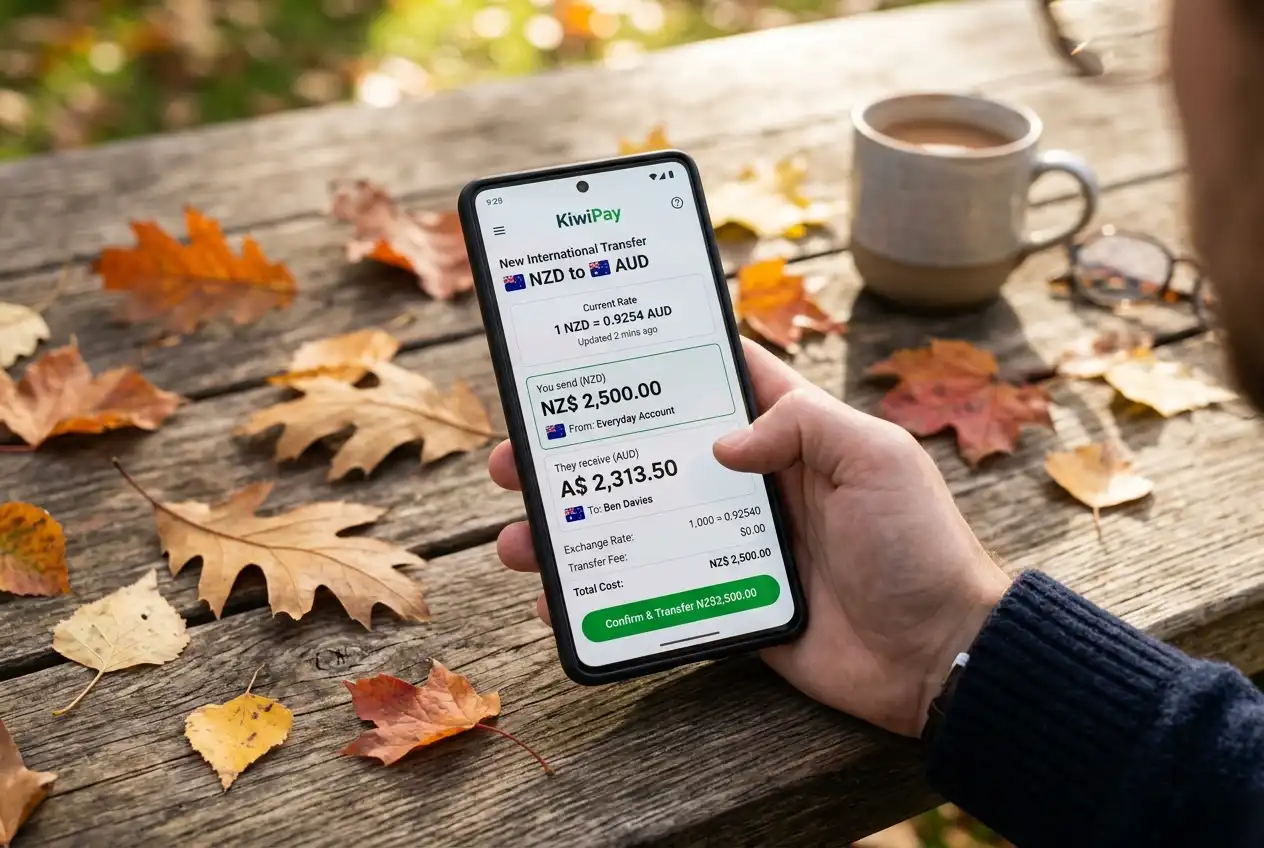
Even if PayID were available to NZ players, the currency question would add a layer of complexity. PayID transfers settle in AUD. A New Zealand player depositing at an AUD-denominated casino would face currency conversion at some point in the chain — either at the banking level, the casino level, or through an intermediary. Each conversion point typically applies a margin of 1-3% above the mid-market exchange rate, which functions as a hidden transaction fee.
For NZ players using alternative payment methods, the same dynamic applies. A AUD 100 deposit might cost NZD 110 to NZD 115 depending on the exchange rate and the conversion margin applied. Over a year of regular play, that margin accumulates into a meaningful cost that most players never calculate. Choosing a casino that operates in NZD — or an e-wallet that offers competitive conversion rates — is more valuable than any deposit bonus for players who deposit regularly across currencies.
The Australian online casino segment generated USD 462.7 million in 2024, and a portion of that revenue comes from New Zealand players accessing Australian-facing sites. The payment friction NZ players experience is one reason some operators have begun offering NZD-denominated accounts alongside their AUD offerings — though alternative payment options still require separate evaluation for cross-border suitability.
Regulatory Differences That Shape Payment Access
The regulatory gap between Australia and New Zealand creates asymmetries that affect payment access in unexpected ways. Australia’s credit card gambling ban, implemented in June 2024, pushed Australian players toward debit-based methods like PayID. New Zealand has no equivalent ban — NZ players can still use credit cards for gambling deposits, which reduces the urgency for instant bank-transfer alternatives. This regulatory difference means the market pressure driving PayID adoption in Australia simply does not exist across the Tasman.

New Zealand’s Department of Internal Affairs oversees gambling regulation with a lighter touch than ACMA’s enforcement-heavy approach. Where ACMA has blocked over 1,708 sites, New Zealand’s enforcement focuses primarily on domestic operators rather than restricting player access to offshore sites. For NZ players, this means broader site availability but fewer regulatory protections — a trade-off that makes payment method choice more consequential, because the payment provider may be your only recourse if an operator behaves badly.
What Changes When Trans-Tasman Payments Catch Up
When (not if) Australia and New Zealand establish real-time cross-border payment connectivity, the impact on the online casino sector will be significant. NZ players will gain access to the same instant deposit and withdrawal speeds that Australian players currently enjoy with PayID. Operators will be able to serve both markets with a single payment integration rather than maintaining separate pathways for each country.
The timeline is uncertain — regulatory alignment between two countries always moves slower than technology allows. But the economic incentive is strong. Australia and New Zealand are each other’s closest trading partners, their banking systems are partially cross-owned (Westpac, ANZ, and CBA all operate in both countries), and the regulatory philosophies on consumer payments are broadly aligned. The infrastructure gap is a temporary condition, not a permanent one. New Zealand players watching PayID from across the Tasman are watching their own future, delayed by a few years.
Created by the "PayEdge" editorial team.